
Tree Removal vs. Tree Repair: How Our Experts Help You Make the Right Call
January 5, 2026
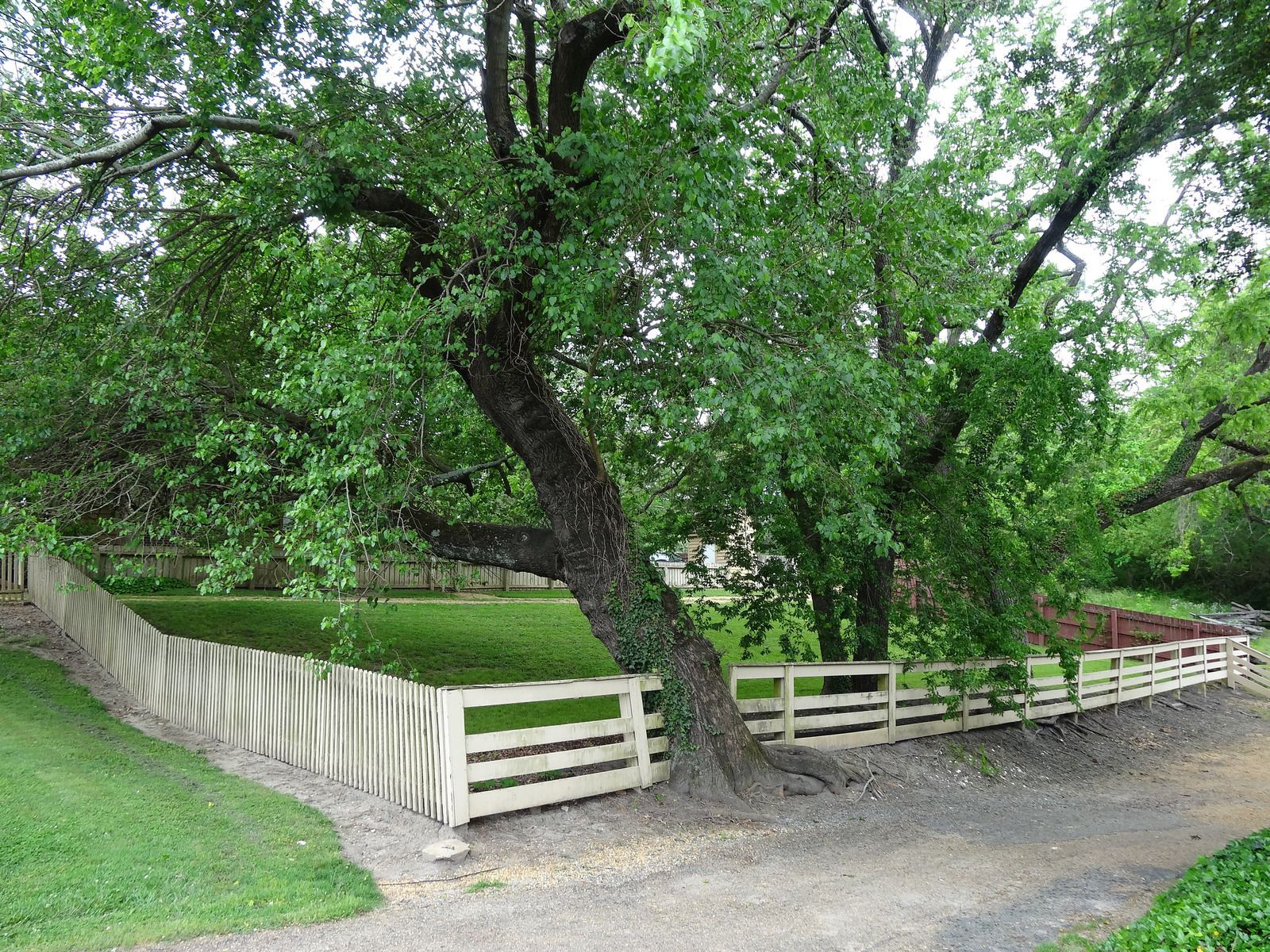
Trees are an essential part of our environment, providing shade, improving air quality, enhancing property value, and contributing to the aesthetic appeal of landscapes. However, not every tree is in perfect condition. Storms, disease, pests, or old age can compromise a tree’s health and structural integrity. For homeowners and property managers alike, deciding whether to repair or remove a tree is a complex decision that requires careful consideration. Making the wrong choice can lead to financial loss, safety hazards, and damage to surrounding property.
Understanding the factors that dictate whether a tree should be preserved or removed is crucial. Factors such as the extent of structural damage, risk to people and property, long-term health of the tree, and overall landscape goals all play a role in this decision-making process. Consulting with professional arborists who assess trees with precision ensures that property owners make informed choices. In this article, we explore the critical differences between tree removal and tree repair, the risks and benefits of each option, and how expert guidance ensures the best outcome for your landscape, safety, and investment.
Understanding Tree Health and Structural Integrity
Assessing Tree Health
Before making any decision, evaluating the overall health of a tree is paramount. Healthy trees generally have strong root systems, intact bark, and consistent foliage growth. Signs of stress, disease, or pest infestation—such as discoloration, premature leaf drop, fungi, or cavities—can indicate underlying problems that may compromise safety or limit the tree’s longevity. Arborists use visual inspections and diagnostic tools to identify issues early, enabling more precise recommendations regarding repair or removal.
Structural Integrity Evaluation
Structural integrity is a key factor in determining the safety of a tree. Trees with significant cracks, weak branch unions, or decayed trunks may pose serious risks. Experts evaluate load-bearing branches, the angle of growth, and the presence of internal decay using specialized equipment like resistographs or sonic tomography. Understanding structural weaknesses allows professionals to decide if pruning, cabling, or bracing can restore stability or if removal is the safer, long-term solution.
Real-World Example
Consider a large oak tree in a residential backyard showing signs of internal decay in the lower trunk. While the upper canopy appears healthy, the structural weakness near the base could result in catastrophic failure during a storm. In such a scenario, expert assessment would likely favor removal over repair, prioritizing safety while minimizing potential property damage.
Tree Repair Options and Techniques
Pruning and Trimming
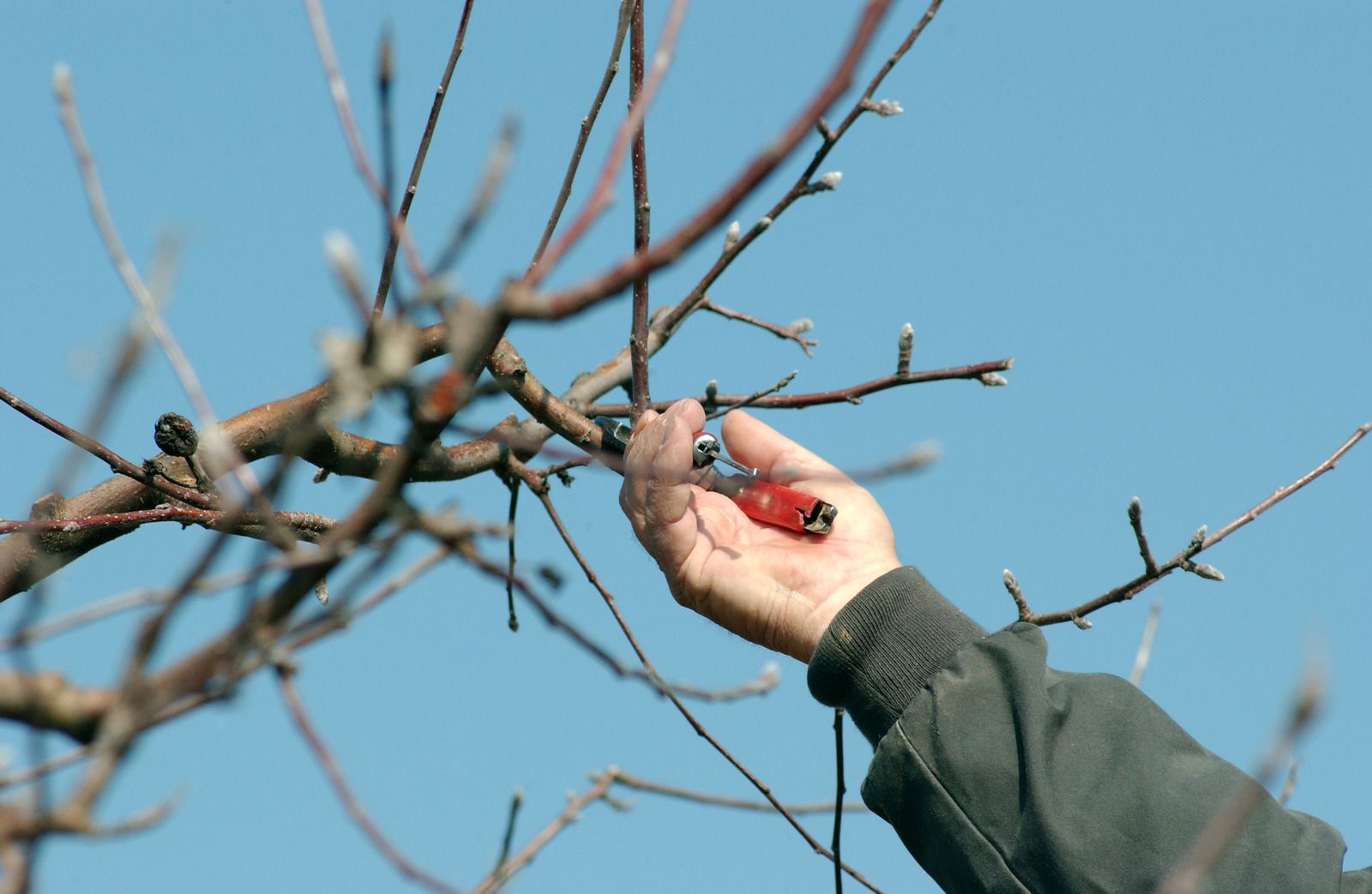
One of the most common tree repair methods is pruning, which involves selectively removing branches to improve health, aesthetics, and safety. Pruning can eliminate diseased limbs, reduce wind resistance, and prevent branch failure. Techniques vary from crown thinning—removing interior branches to allow light penetration and airflow—to crown reduction, which decreases the tree’s overall size and reduces stress on weaker branches.
Cabling and Bracing
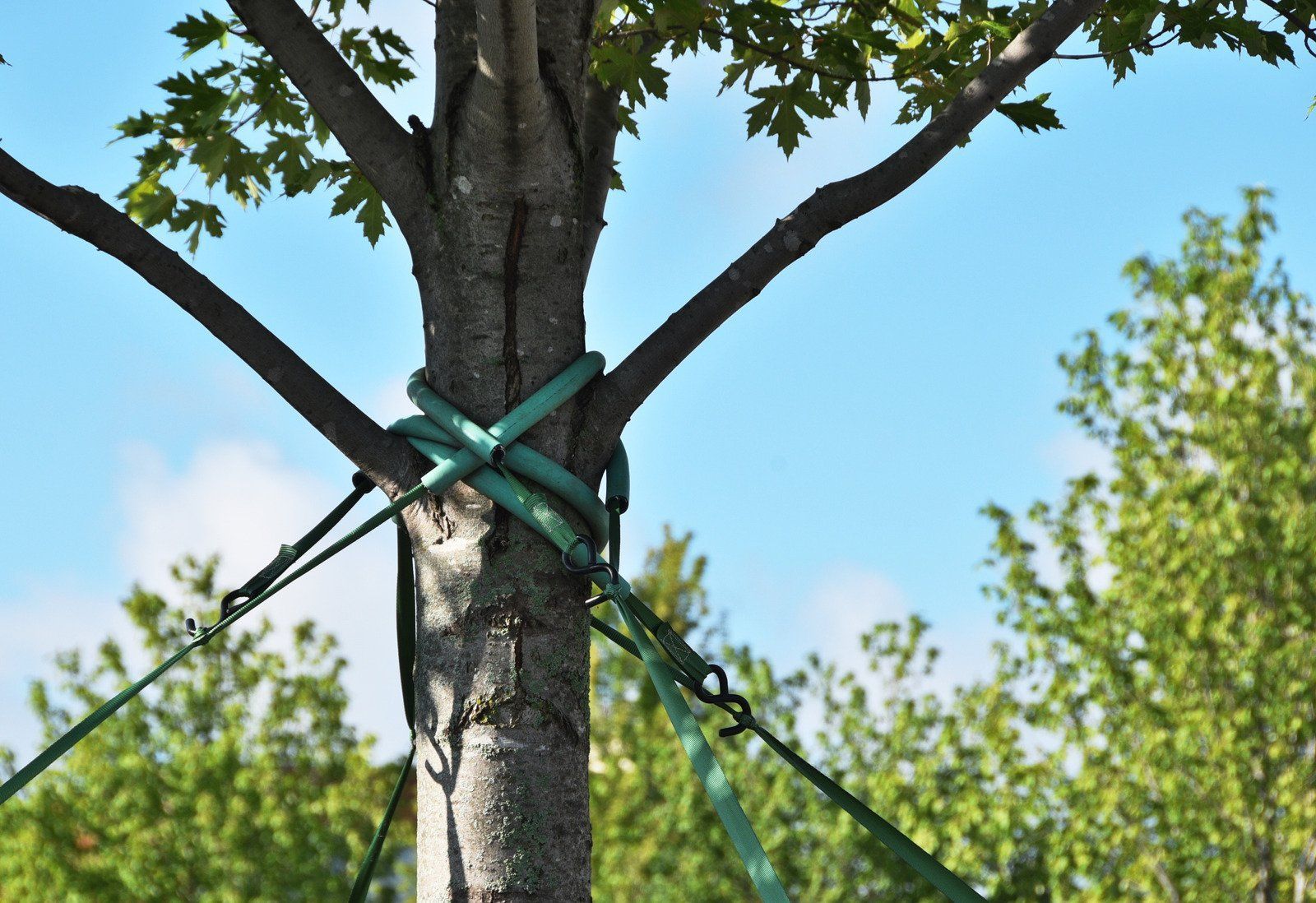
When structural weaknesses exist, cabling and bracing can provide mechanical support. Cabling involves installing flexible steel cables between major limbs to limit movement, while bracing uses rods to stabilize splits or cracks in the trunk. These methods extend the tree’s life by redistributing stress, preventing limb failure, and preserving the tree’s natural form. Proper installation requires professional expertise to avoid causing further harm.
Fertilization and Pest Management
Tree repair isn’t limited to structural interventions. Nutrient deficiencies, disease, and pest infestations can be addressed through targeted fertilization, soil treatments, and pest control. For instance, applying systemic insecticides or fungicides may halt the spread of harmful pathogens and insects, allowing the tree to recover over time. Regular monitoring ensures that the treatment is effective and adjusts strategies if needed.
Benefits of Tree Repair
- Cost-effective: Often cheaper than full removal and replanting.
- Environmental impact: Preserves mature trees that contribute to air quality and biodiversity.
- Property value: Mature trees enhance the appeal and value of landscapes.
Limitations of Repair
- Some trees are beyond repair due to extensive decay or chronic disease.
- Repairs may require ongoing maintenance and monitoring.
- Safety risks can persist if structural issues are severe.
When Tree Removal Becomes Necessary
Safety Concerns
Safety is the primary reason for tree removal. Trees located near homes, power lines, or heavily trafficked areas that show severe structural compromise pose immediate risks. Falling branches or entire trees can cause injury, property damage, or utility disruptions. Experts prioritize removal in such high-risk scenarios to prevent accidents.
Irreversible Disease or Infestation
Certain diseases, like Dutch elm disease or advanced oak wilt, can devastate a tree beyond recovery. Similarly, severe infestations by insects like emerald ash borers or termites can compromise structural integrity. In these cases, removal prevents the spread to neighboring trees, protecting the overall landscape.
Space and Landscape Planning
Property development or landscape redesign sometimes requires tree removal. While repair is desirable for tree preservation, not all trees fit into new landscape plans or construction projects. Expert arborists evaluate which trees are essential to retain and which may be safely removed to accommodate growth or improve aesthetics.
Real-World Scenario
A maple tree near a driveway develops a large cavity at its base due to rot. Despite pruning and bracing attempts, the decay continues to worsen. The expert recommendation is removal to prevent potential damage to vehicles and nearby structures. While it may be a difficult decision, it ensures safety and allows for replanting a healthier, long-term alternative.
Factors Influencing the Decision
Tree Species and Lifespan
Different tree species have varying lifespans, growth patterns, and susceptibility to disease. For example, fast-growing species may require more maintenance and be more prone to weak limbs, whereas slow-growing hardwoods are typically stronger and longer-lasting. Understanding species characteristics helps experts determine if repair is feasible or if removal is the more practical option.
Location and Environmental Conditions
The surrounding environment plays a significant role in decision-making. Trees in high-traffic areas, near buildings, or in storm-prone zones require careful evaluation. Soil stability, drainage, and exposure to sun or wind affect tree health and influence whether repair can succeed.
Cost vs. Long-Term Investment
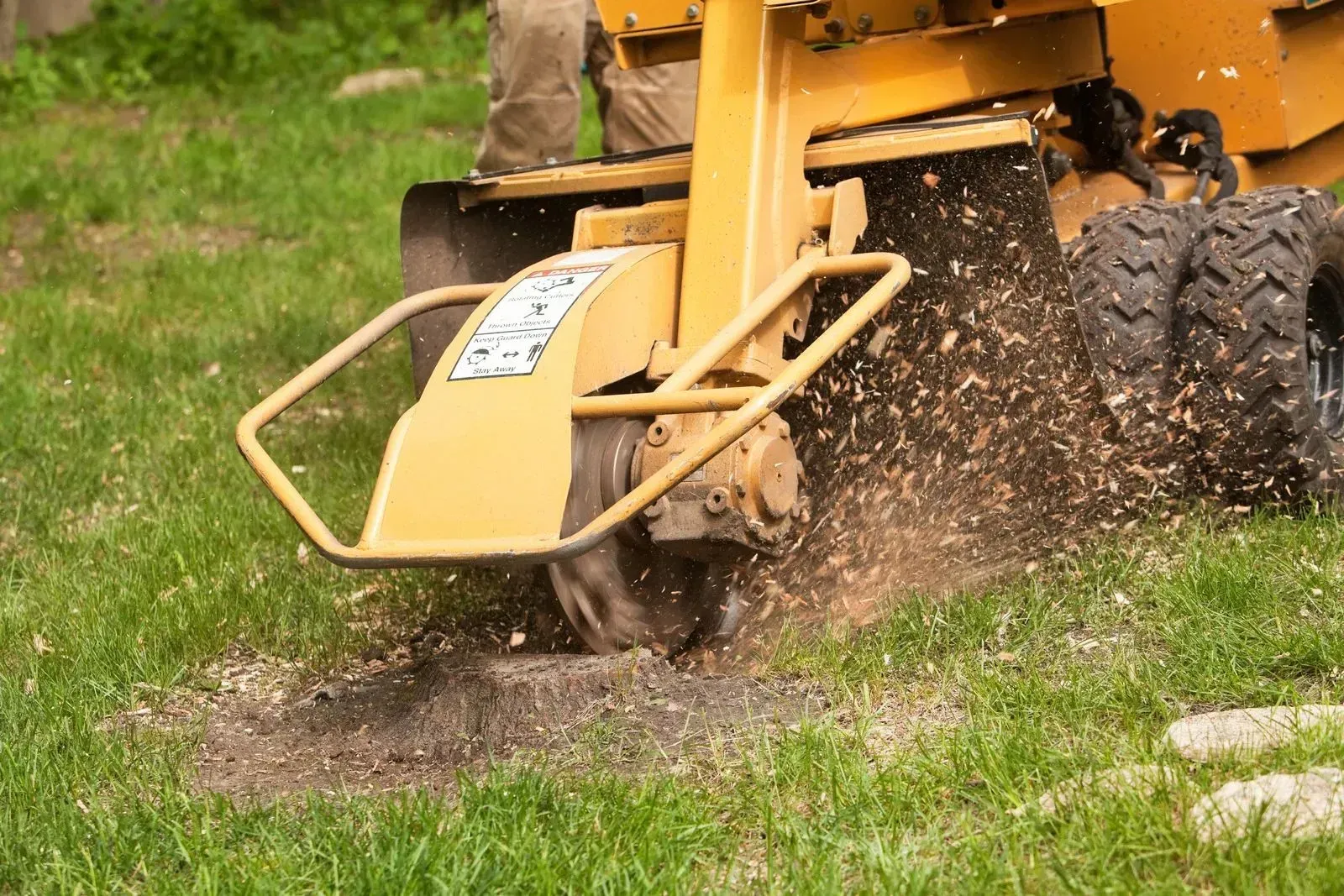
Repairing a tree often involves immediate costs for pruning, cabling, fertilization, and pest management. Removal incurs costs for felling, stump grinding, and potential replanting. Experts help property owners weigh the long-term investment, considering safety, ongoing maintenance, and potential property value. Sometimes, investing in a new tree can offer greater long-term benefits than attempting to preserve a severely compromised one.
Timing Considerations
Certain tree issues are seasonal. For instance, some diseases spread more rapidly in warmer months, while winter storms can exacerbate structural weaknesses. Timely intervention—whether repair or removal—can mitigate risks and prevent further damage.
Expert Assessment and Decision-Making Process
On-Site Inspection
A professional arborist begins with a detailed on-site inspection, evaluating the tree’s health, structural integrity, and surrounding environment. This includes visual assessment, probing for decay, and identifying signs of disease or pest infestation.
Diagnostic Tools
Experts often employ advanced diagnostic tools to assess internal damage. Sonic tomography, resistograph testing, and aerial inspections provide data on internal decay, branch stability, and root health. These insights allow arborists to make evidence-based recommendations rather than relying on guesswork.
Risk Analysis
The decision to repair or remove a tree hinges on risk analysis. Arborists consider potential hazards to people, property, and surrounding vegetation. They also evaluate the probability of future problems and the feasibility of repair techniques. This structured approach ensures that the chosen action aligns with safety and property goals.
Customized Recommendations
After assessment, experts provide tailored recommendations, detailing repair options, projected costs, timelines, and potential outcomes. They may propose pruning, cabling, fertilization, or removal based on objective criteria. Clear communication ensures property owners understand the rationale behind the recommended course of action.
Real-World Example
An urban property with a 50-year-old elm tree shows early signs of Dutch elm disease. After inspection, the arborist recommends selective pruning and treatment for minor limbs but suggests proactive removal of the most compromised sections to prevent spread. This hybrid approach balances preservation with safety and disease management.
Reliable Tree Professionals Protecting Property and Landscapes
Deciding between tree repair and removal requires careful evaluation of health, structural integrity, environmental factors, and long-term landscape goals. While tree repair offers the benefits of cost-effectiveness, environmental preservation, and property value enhancement, it may not be feasible for trees suffering severe structural damage, disease, or high-risk positioning. Conversely, tree removal, though a more permanent solution, often ensures safety, prevents disease spread, and facilitates strategic landscape planning. Expert assessment, advanced diagnostic tools, and evidence-based recommendations are critical to making the right call, protecting both property and people.
For property owners seeking reliable guidance, Backwoods Tree Service
in Stroudsburg, Pennsylvania, stands as a trusted authority in tree care and arborist services. With over 10
years of experience, our team combines professional expertise with personalized solutions, ensuring every tree-related decision balances safety, aesthetics, and long-term value. Whether repairing, pruning, or removing trees, we prioritize thorough assessments, transparent communication, and meticulous execution. Backwoods Tree Service
is committed to helping clients make informed decisions, preserving the beauty and safety of their landscapes while maintaining the health of trees for years to come.