
When to Call an Arborist: The Importance of Expert Tree Care Consultations
December 17, 2025
Trees are more than just decorative elements in our landscapes—they provide shade, improve air quality, enhance property value, and contribute to the overall health of our environment. In addition, they offer habitat for wildlife, reduce soil erosion, and create a sense of tranquility in residential and commercial spaces alike. While trees can thrive naturally, they are also susceptible to diseases, pests, structural weaknesses, and environmental stressors that can compromise their health and safety. Homeowners and property managers often face a critical question: when should they intervene, and when is it necessary to call in an arborist? Understanding the right timing and reasons for professional tree care can prevent costly mistakes, property damage, and safety hazards, while also ensuring long-term aesthetic and ecological benefits for the surrounding area.
Arborists are trained professionals who specialize in the science and art of tree care. Their expertise goes beyond simple pruning or removal—they assess tree health, structure, and potential risks using scientific knowledge and industry-standard practices. These specialists also provide guidance on soil management, pest control, and long-term growth strategies tailored to each tree species. Consulting an arborist at the right time ensures that trees are not only aesthetically pleasing but also safe and long-lasting, reducing the likelihood of accidents or irreversible damage. This blog explores the scenarios where arborist intervention is essential, providing actionable insights to help property owners make informed decisions. From identifying diseases to managing storm-damaged trees and preventing structural failures, knowing when to call an arborist can safeguard your landscape, property, and peace of mind effectively.
Recognizing Signs of Tree Health Decline
Visual Indicators of Stress
One of the most common reasons to call an arborist is when a tree exhibits visible signs of decline. This includes discolored leaves, premature leaf drop, dead branches, or a thinning canopy. These symptoms often indicate underlying issues such as nutrient deficiencies, disease, or pest infestations. A trained arborist can conduct a thorough inspection to identify the root cause and recommend targeted treatments, such as fertilization, pruning, or pest management.
Structural Weaknesses and Safety Concerns
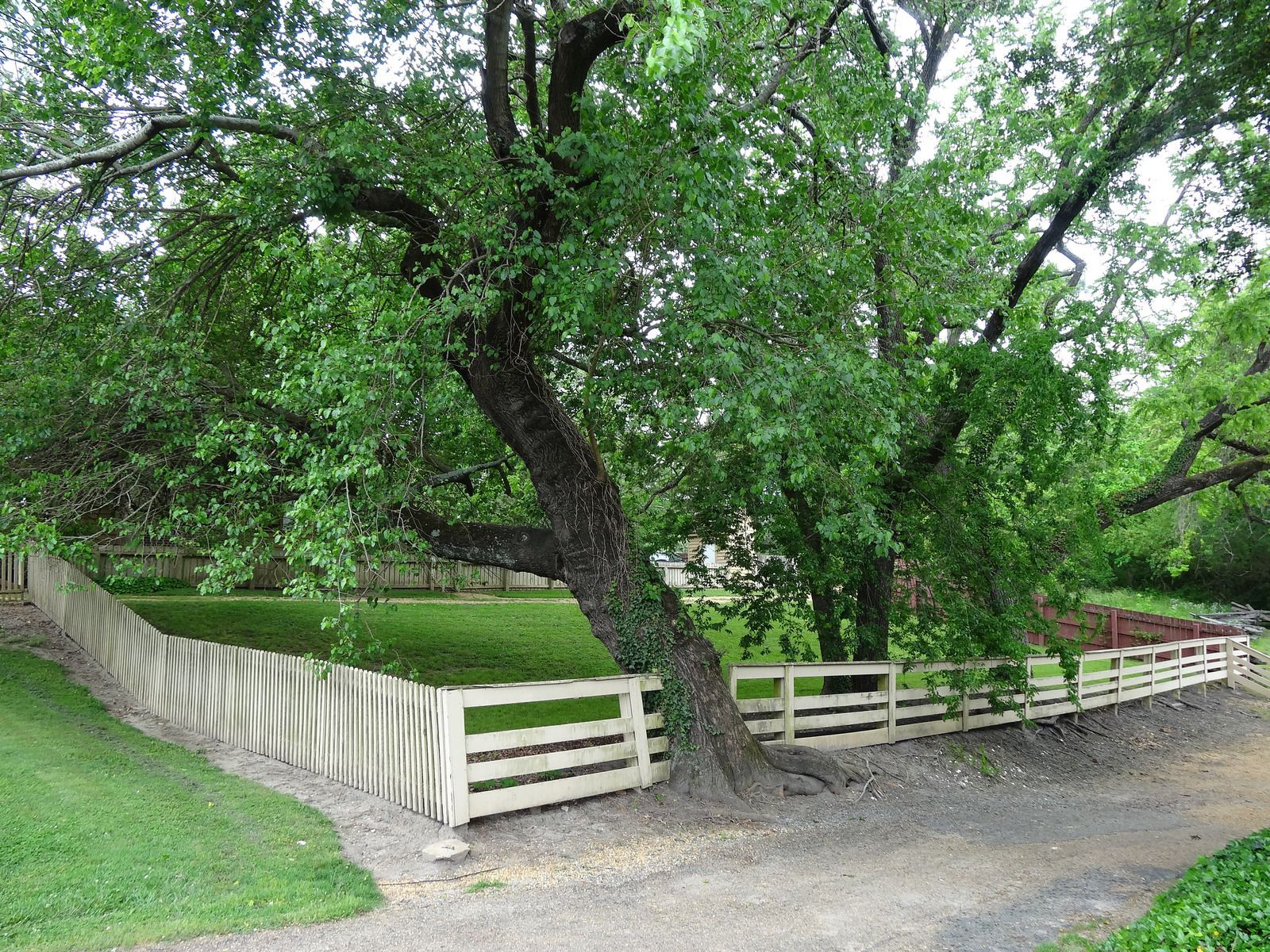
Structural issues in trees, such as cracked trunks, splits in major limbs, or leaning stems, pose significant safety hazards. Homeowners may not always recognize subtle warning signs of structural failure. An arborist evaluates the stability of trees, using techniques like resistance drilling or visual tree assessments to detect internal decay or weak points. Addressing structural problems early can prevent property damage and reduce the risk of injury from falling branches.
Pest and Disease Detection
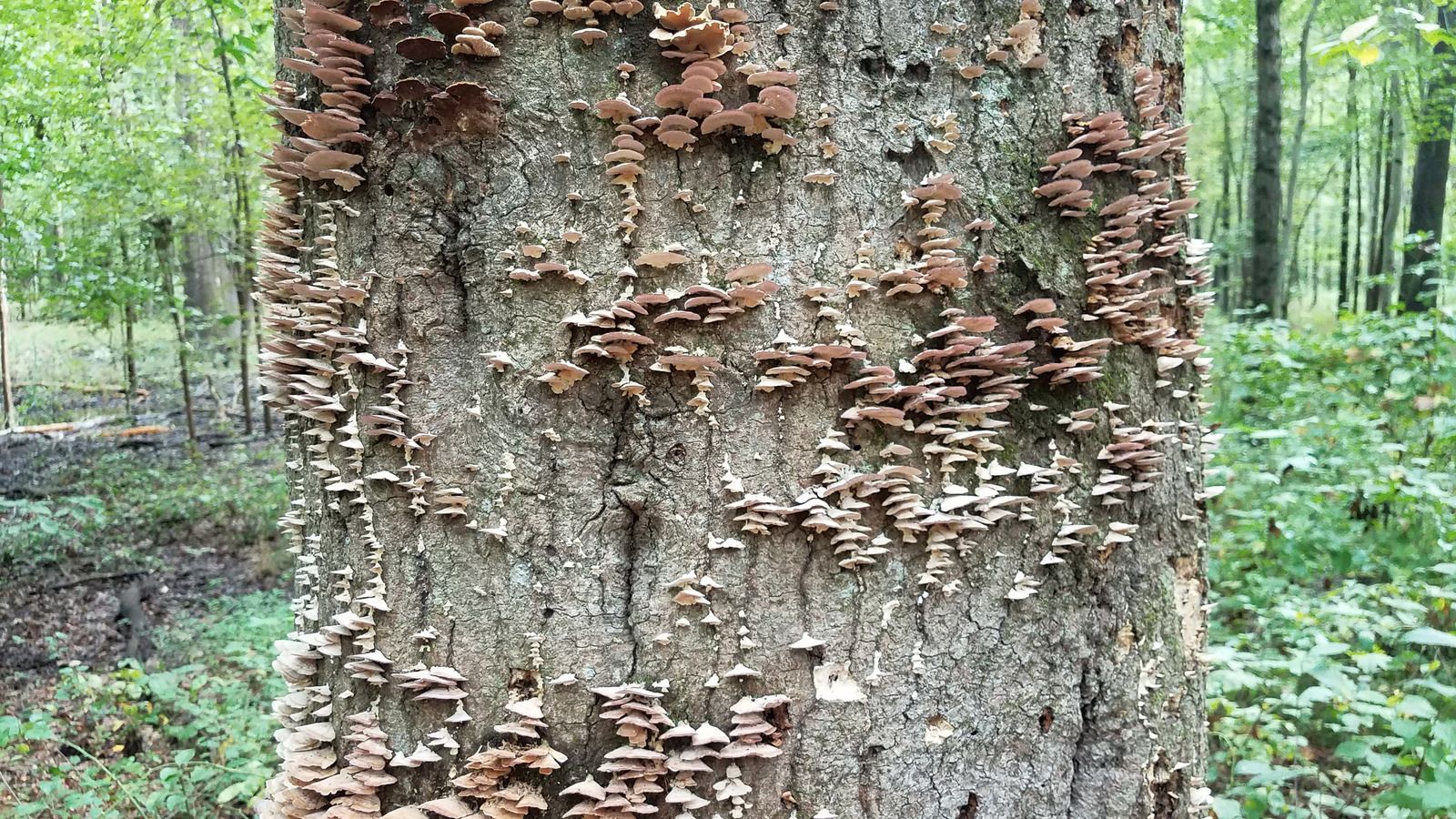
Trees are susceptible to a range of pests and diseases, including fungal infections, borers, and invasive insects. Early detection is critical for effective management. Arborists can identify specific pathogens, assess the severity of infestation, and recommend appropriate interventions, such as targeted chemical treatments or removal of infected limbs. Ignoring these signs can result in irreversible damage or the spread of disease to nearby trees.
After Storms and Severe Weather Events
Assessing Storm Damage
Severe weather, including thunderstorms, heavy winds, ice, and snow, can cause significant tree damage. Branches may break, roots may loosen, and trunks can become unstable. After such events, an arborist should inspect affected trees for hidden hazards that may not be immediately visible. Identifying weakened limbs or compromised root systems can prevent accidents and further damage.
Emergency Tree Services
In cases where a tree poses an immediate threat—such as blocking roads, power lines, or property—an arborist can provide emergency removal or stabilization services. Their expertise ensures that the process is conducted safely, minimizing risk to people and structures. Attempting to remove or trim a storm-damaged tree without professional knowledge can lead to injury or further property damage.
Long-Term Recovery Planning
After a storm, it is not enough to simply remove broken branches. An arborist can create a recovery plan that promotes the long-term health of the tree. This may include selective pruning, soil treatment, or bracing techniques to strengthen remaining limbs. Such interventions help trees recover more effectively, reducing the likelihood of future structural issues.
Tree Pruning and Maintenance for Longevity
Importance of Professional Pruning
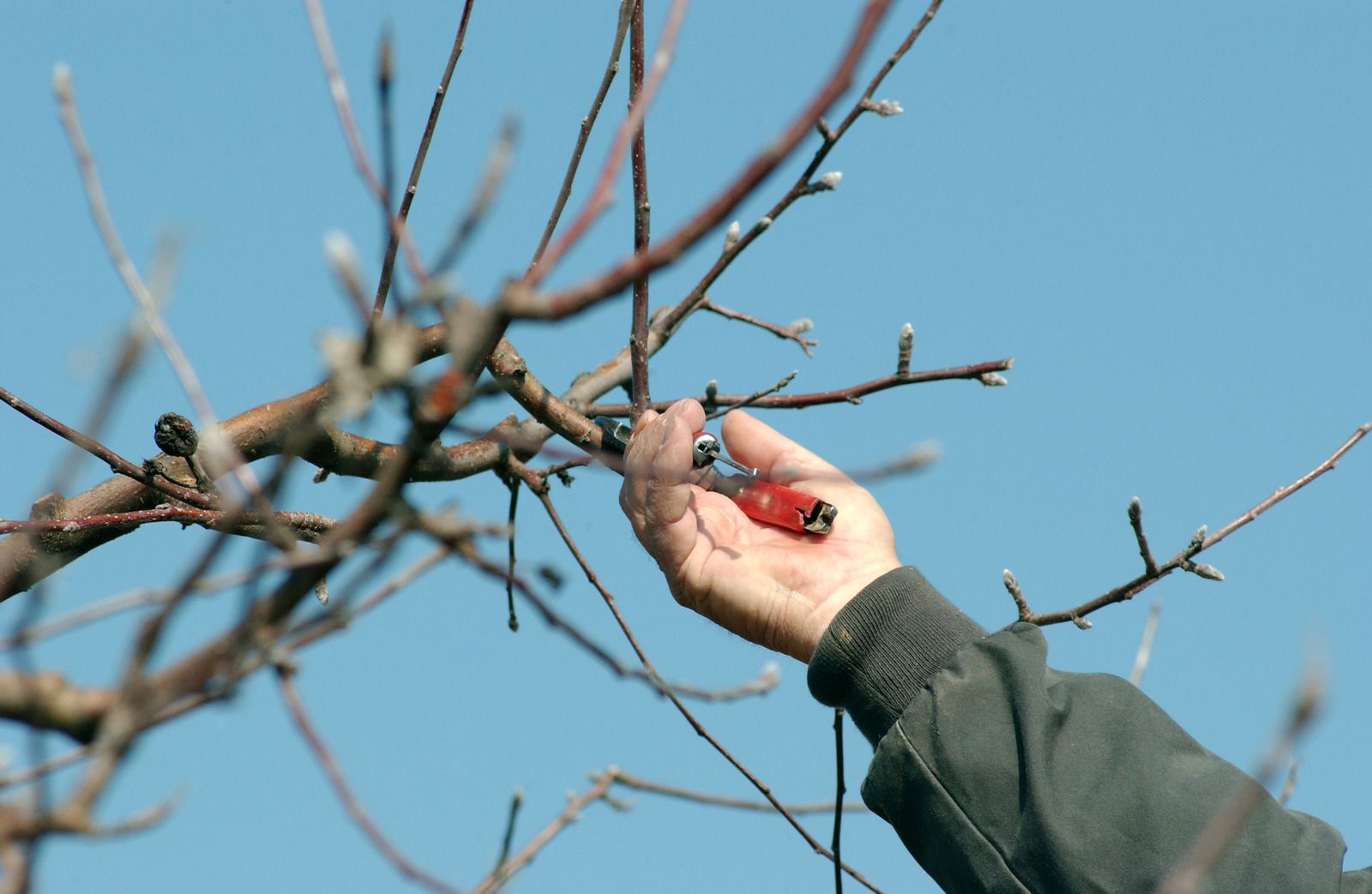
Pruning is more than a cosmetic task—it plays a critical role in tree health and safety. Incorrect pruning can weaken trees, encourage disease, or create hazardous conditions. Arborists apply specialized pruning techniques that promote healthy growth, enhance structural integrity, and maintain aesthetic appeal. They understand the growth patterns of different tree species and prune accordingly to avoid long-term damage.
Seasonal Maintenance Strategies
Different trees require maintenance at specific times of the year. For instance, flowering trees may need pruning after blooming, while deciduous trees are typically pruned during dormancy. An arborist develops a seasonal care plan tailored to the specific species on your property. Regular maintenance ensures trees grow properly, resist disease, and remain visually appealing throughout the year.
Managing Overcrowded or Overgrown Trees
Overcrowded branches or overgrown trees can create competition for sunlight and nutrients, weakening individual trees. Arborists assess tree spacing, canopy density, and growth patterns to optimize tree health. Strategic pruning or thinning can improve airflow, reduce disease risk, and allow each tree to thrive. For properties with multiple trees, this proactive approach can prevent larger issues down the line.
Land Development and Construction Considerations
Pre-Construction Tree Assessments
Before starting construction projects, it is essential to assess the impact on existing trees. Arborists evaluate which trees can be preserved, which may require protection measures, and which are at risk due to soil compaction or root disturbance. Early consultation prevents unnecessary tree loss and ensures compliance with local regulations.
Protecting Trees During Construction
Construction activities, including excavation, grading, and equipment movement, can damage tree roots and soil structure. Arborists provide recommendations for protective barriers, root zone management, and pruning strategies to minimize impact. Preserving mature trees during construction adds value to the property and maintains environmental benefits such as shade and erosion control.
Evaluating Tree Removal Necessity
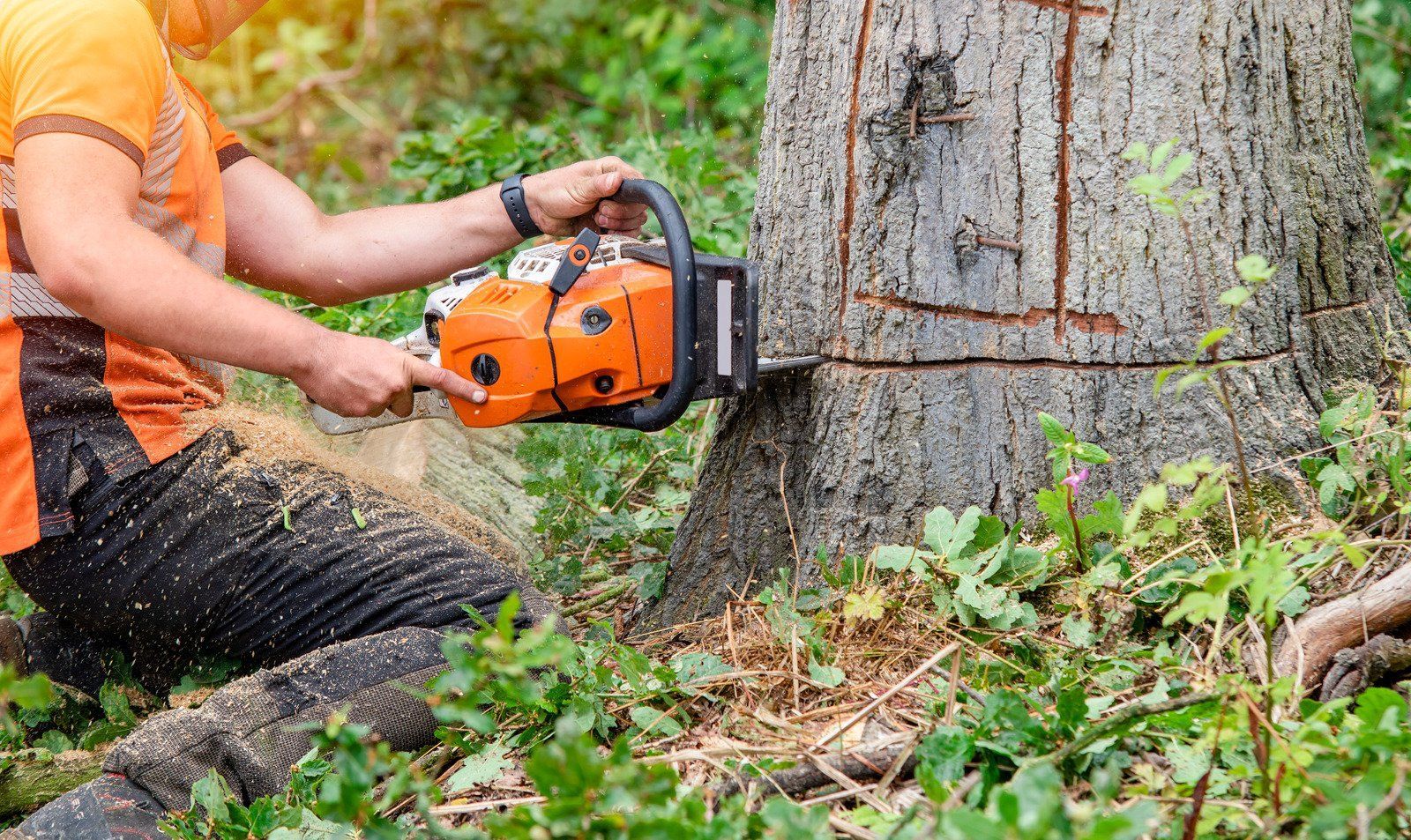
Sometimes, tree removal is unavoidable. Arborists provide expert guidance on whether removal is necessary, which trees are hazardous, and the safest method of removal. They can also recommend replacement species or planting strategies to maintain ecological balance and landscape aesthetics post-construction.
Specialized Tree Care Needs
Managing Rare or Heritage Trees
Some properties feature rare, heritage, or historically significant trees that require specialized care. These trees may have unique growth patterns, age-related vulnerabilities, or susceptibility to specific pests. Arborists possess the expertise to preserve these trees, employing advanced techniques such as cabling, bracing, or targeted fertilization.
Soil and Nutrient Management
Healthy trees rely on proper soil conditions and nutrient availability. Arborists conduct soil tests to determine deficiencies or imbalances and develop a tailored nutrient management plan. This can include organic amendments, mulching strategies, or targeted fertilization to ensure optimal growth and resilience against stressors.
Addressing Root Issues
Tree roots are often hidden, but they play a critical role in stability and nutrient absorption. Roots can become damaged due to construction, compacted soil, or invasive species. Arborists identify root problems early and implement strategies like root pruning, aeration, or soil stabilization. Addressing root health prevents tree decline and reduces the risk of uprooting during storms.
Risk Assessment and Liability Prevention
Property Protection and Insurance Considerations
Trees can present liability risks if they fall or shed large limbs onto structures or public spaces. Arborists conduct risk assessments to identify trees that pose potential hazards. Professional documentation of tree health and maintenance can also support insurance claims and demonstrate proactive risk management.
Legal and Regulatory Compliance
In many areas, tree care is regulated by local ordinances that govern removal, pruning, or protection of specific species. Arborists stay updated on these regulations and ensure that all tree care activities comply with local laws. This reduces the likelihood of fines, disputes, or legal complications for property owners.
Planning for Long-Term Landscape Safety
Regular arborist consultations contribute to long-term safety planning for landscapes. By assessing tree health, growth patterns, and structural integrity, arborists provide actionable recommendations for pruning schedules, removal timelines, and preventive care. This proactive approach minimizes risk, protects property value, and promotes sustainable tree management.
Maintaining Trees Effectively with Expert Guidance
Understanding when to call an arborist is crucial for maintaining tree health, ensuring safety, and preserving property value. From recognizing early signs of decline and structural weaknesses to managing storm damage and specialized tree care needs, arborists provide expert guidance that goes far beyond basic maintenance. Their evaluations, interventions, and preventive strategies protect both your trees and your investment, while ensuring compliance with safety standards and local regulations. By consulting a professional, property owners can prevent costly mistakes, mitigate risks, and foster long-term resilience in their landscapes.
Backwoods Tree Service, based in Stroudsburg, Pennsylvania, brings over 10
years of experience in expert tree care and arborist services. Our team specializes in comprehensive tree assessments, pruning, emergency response, and long-term maintenance plans tailored to your property. We combine technical expertise with personalized service, ensuring that each tree receives the care it needs to thrive safely. When you trust us, you’re partnering with a knowledgeable, reliable, and professional team committed to protecting your trees and enhancing the beauty and safety of your landscape. Our goal is not only to care for trees but also to provide peace of mind for every property owner.