
The Hidden Benefits of Regular Tree Trimming Homeowners Overlook
April 10, 2026
Regular tree trimming is often viewed as a purely aesthetic task—something we do to keep our yards looking neat and well-maintained. However, this perspective overlooks the deeper value that consistent trimming provides to homeowners and their properties. Beyond shaping branches and improving curb appeal, proper tree care plays a vital role in maintaining safety, supporting tree health, and even enhancing property value. In an industry where preventive maintenance is key, tree trimming stands out as a proactive investment rather than a reactive expense. When approached strategically, it becomes an essential component of responsible property management. It also helps us anticipate potential issues before they escalate into serious concerns. Over time, this consistent care contributes to a more resilient and visually appealing landscape.
Many homeowners delay or neglect trimming because the benefits are not always immediately visible. Overgrown branches may not seem urgent until they cause damage, obstruct views, or interfere with structures. Yet, regular trimming quietly contributes to long-term savings, environmental health, and overall landscape performance. By understanding these hidden advantages, we can make more informed decisions about property care. This blog explores the often-overlooked benefits of routine tree trimming and explains why it should be an essential part of every homeowner’s maintenance strategy. Taking a proactive approach allows us to maintain control over property conditions year-round. It also reduces the likelihood of unexpected expenses and improves overall outdoor functionality. With the right maintenance plan in place, we can ensure our trees remain an asset rather than a liability.
1. Enhancing Tree Health and Longevity
Removing Diseased and Dead Branches
One of the most critical yet overlooked benefits of regular tree trimming is its impact on overall tree health. Trees, like any living organism, are susceptible to disease, decay, and structural weakness. Dead or diseased branches can spread infections throughout the tree if not addressed promptly. By trimming these compromised sections, we prevent the progression of disease and allow the tree to focus its energy on healthy growth.
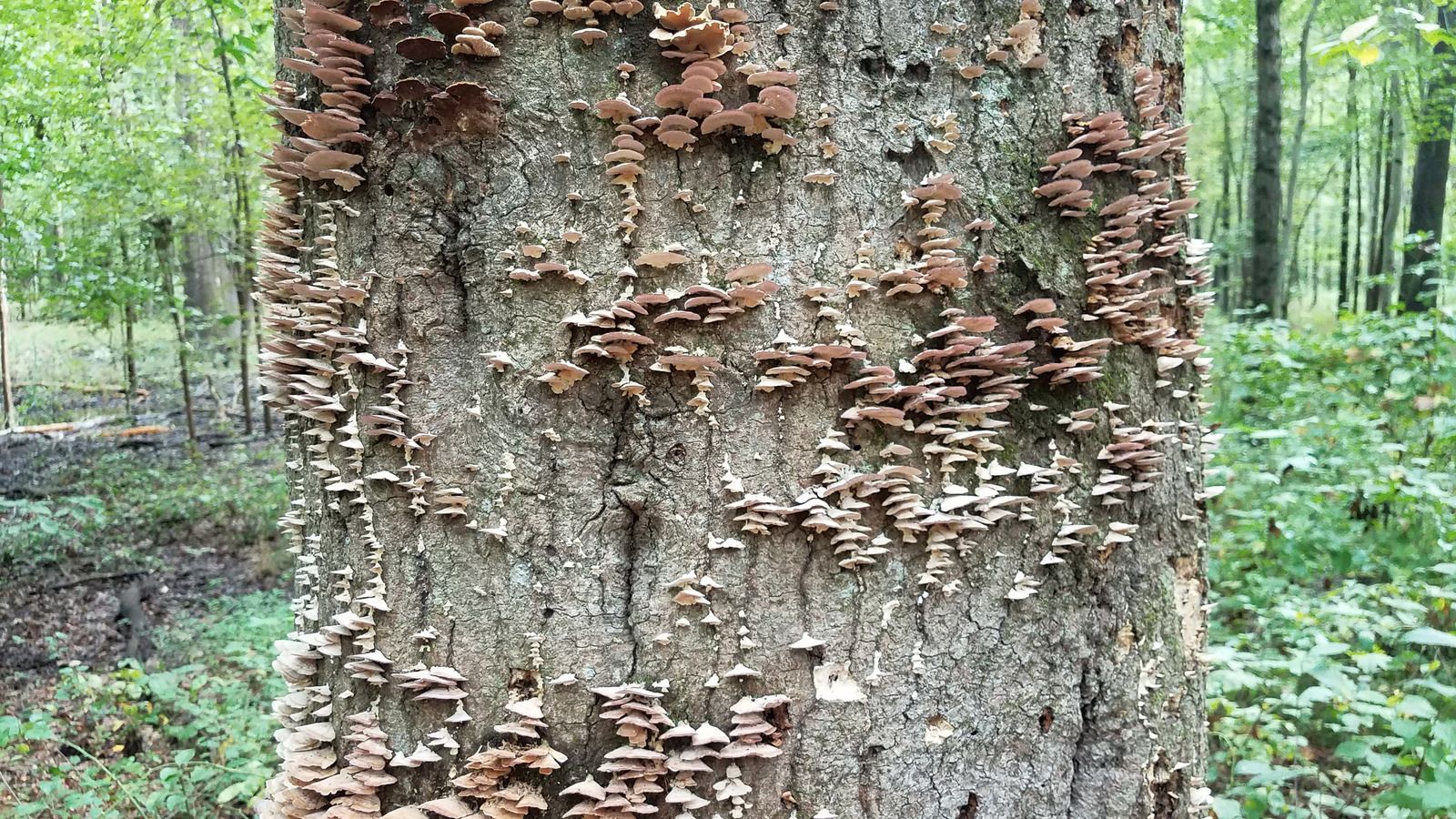
For example, a tree infected with fungal decay may show subtle signs such as discolored leaves or brittle branches. Without intervention, the condition can worsen, eventually leading to structural failure. Routine trimming ensures that these early warning signs are managed before they escalate into costly removals.
Encouraging Strong Structural Growth
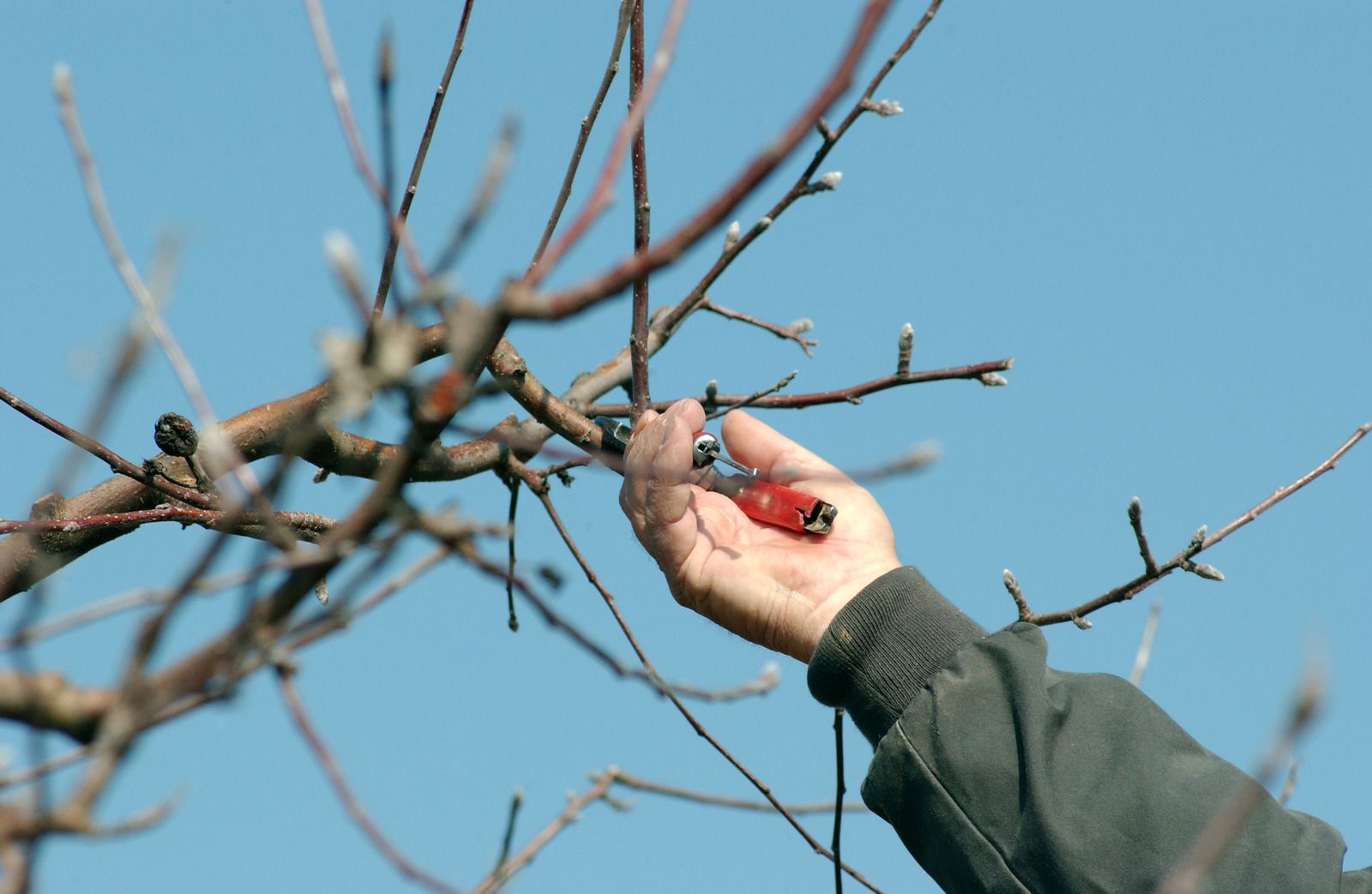
Proper trimming also guides how a tree grows. By selectively removing certain branches, we can encourage a stronger, more balanced structure. This is particularly important for young trees, where early intervention can prevent future issues such as uneven weight distribution or weak branch attachments.
When trees grow without guidance, they may develop crossing branches or dense canopies that restrict airflow. Strategic trimming opens up the structure, allowing sunlight and air to circulate more effectively. This not only improves health but also reduces the likelihood of pest infestations.
2. Improving Property Safety and Risk Management
Preventing Falling Branch Hazards
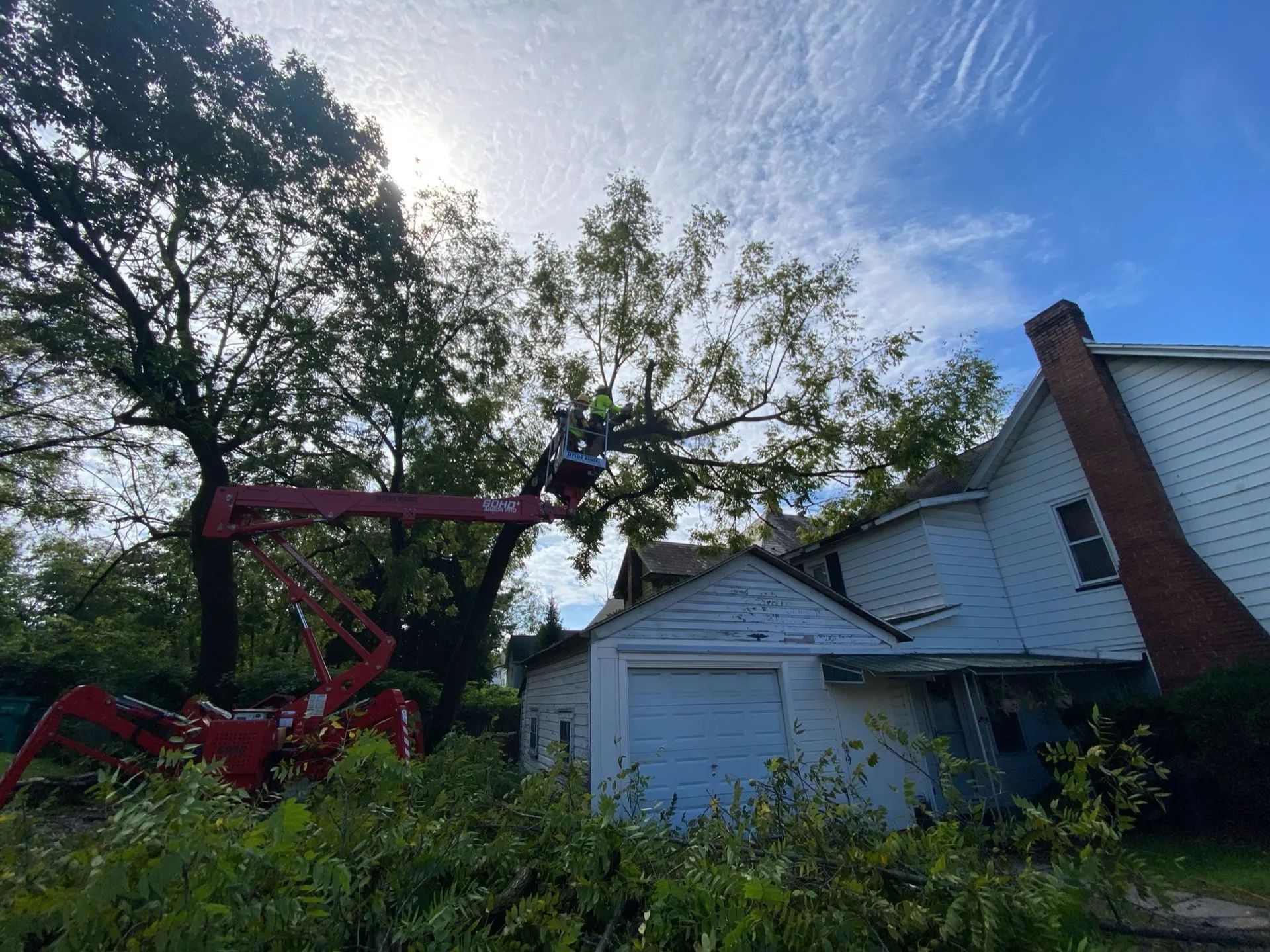
Safety is a major concern that homeowners often underestimate when it comes to tree maintenance and long-term property protection. Overgrown or weakened branches can pose serious risks, especially during storms or high winds. A single falling limb can damage roofs, vehicles, or even injure individuals.
Regular trimming minimizes these risks by removing unstable branches before they become hazardous or cause unexpected property damage. This proactive approach is far more cost-effective than dealing with emergency repairs or liability issues after an incident occurs.
Reducing Interference with Structures and Utilities
Trees that grow too close to homes, power lines, or driveways can create significant problems over time if not properly maintained. Branches may scrape against roofs, clog gutters, or obstruct visibility. In some cases, roots and limbs can interfere with utility lines, leading to outages or safety hazards.
By maintaining proper clearance through routine trimming, we ensure that trees coexist safely with surrounding structures and infrastructure. This not only protects property but also helps avoid potential fines or service disruptions associated with utility interference.
3. Boosting Curb Appeal and Property Value
Creating a Clean and Maintained Landscape
First impressions matter, and the condition of trees plays a significant role in how a property is perceived by visitors and buyers. Overgrown, unkempt trees can make even a well-maintained home appear neglected. On the other hand, neatly trimmed trees contribute to a polished and inviting landscape.
Regular trimming shapes trees in a way that complements the overall design of the property and surrounding features. Whether it’s framing a driveway or highlighting architectural features, well-maintained trees enhance visual appeal and create a sense of order.
Increasing Real Estate Value
Beyond aesthetics, tree maintenance can directly influence property value and buyer perception in competitive real estate markets. Prospective buyers often view mature, healthy trees as an asset. However, neglected trees can raise concerns about future maintenance costs or potential hazards.
In real-world scenarios, properties with well-maintained landscapes tend to sell faster and at higher prices in most housing markets. By investing in regular trimming, we not only preserve the beauty of our surroundings but also strengthen the long-term financial value of our property.
4. Promoting Environmental Benefits
Supporting Ecosystem Balance
Trees play a vital role in supporting local ecosystems, providing habitat for birds, insects, and other wildlife species. Regular trimming helps maintain a healthy balance within this ecosystem by ensuring that trees remain strong and capable of supporting life.
When trees become overcrowded or unhealthy, they may struggle to sustain the wildlife that depends on them for shelter and food. Trimming allows us to manage growth in a way that benefits both the tree and its surrounding environment.
Improving Air Quality and Sunlight Exposure
Healthy trees contribute to cleaner air by filtering pollutants and producing oxygen, improving overall environmental quality. However, dense or overgrown canopies can limit sunlight from reaching the ground, affecting grass, plants, and overall landscape health.
By thinning out branches, we allow more sunlight to penetrate the area below, promoting healthier plant growth and improving the overall ecosystem balance. This creates a more balanced and vibrant outdoor space for long-term sustainability.
5. Preventing Costly Repairs and Maintenance Issues
Avoiding Structural Damage
One of the hidden financial benefits of regular tree trimming is the prevention of costly repairs and long-term structural damage. Branches that grow too close to roofs or siding can cause damage over time. Leaves and debris can clog gutters, leading to water overflow and potential foundation issues.
Routine trimming addresses these problems before they develop into major expenses that require extensive repairs. For instance, removing branches that hang over a roof reduces the risk of shingle damage and water intrusion during storms.
Reducing Emergency Service Costs
Emergency tree services are often significantly more expensive than scheduled maintenance and preventive care services. When a tree becomes hazardous due to neglect, immediate removal or repair may be required, often at a premium cost.
By maintaining a consistent trimming schedule, we reduce the likelihood of emergencies and keep maintenance costs predictable throughout the year. This proactive approach is not only more economical but also less stressful for homeowners.
6. Enhancing Personal Enjoyment and Usability of Outdoor Spaces
Creating Functional Outdoor Areas
Overgrown trees can limit how we use our outdoor spaces and reduce their overall comfort and usability. Dense canopies may block sunlight, making patios or gardens less inviting. Low-hanging branches can restrict movement and reduce the usability of yards.
Regular trimming opens up these spaces, allowing us to fully enjoy our property throughout different seasons and activities. Whether it’s creating a shaded seating area or improving visibility, proper tree care enhances the functionality of outdoor environments.
Improving Visibility and Security
Trees that are not properly maintained can create blind spots around a property, affecting both visibility and overall security conditions. Overgrown branches may obscure pathways, entrances, or windows, making it harder to monitor surroundings effectively.
By trimming trees strategically, we improve sightlines and create a safer environment for residents and visitors alike. This is particularly important for properties with large yards or multiple access points, where visibility plays a key role in overall security.
Trusted Expertise Delivering Reliable Professional Tree Care Solutions
Regular tree trimming offers far more than surface-level improvements. From enhancing tree health and preventing safety hazards to increasing property value and supporting environmental balance, its benefits extend across multiple aspects of homeownership. By adopting a proactive approach to tree care, we can avoid costly repairs, maintain a safe environment, and enjoy a more functional and visually appealing landscape. The hidden advantages of trimming become clear when we consider the long-term impact on both property and quality of life.
At Backwoods Tree Service, we bring 10
years of experience delivering professional tree care and arborist services in Stroudsburg, Pennsylvania. We understand that proper tree maintenance requires both expertise and attention to detail. Our approach focuses on preserving tree health, improving safety, and enhancing the overall value of every property we serve. With a commitment to reliable service and industry best practices, we ensure that every trimming project is handled with precision and care. When we invest in expert tree care, we protect our landscape, our property, and our peace of mind for years to come.