
Is a Leaning Tree Dangerous? How to Tell If Yours Is Starting to Fail
August 8, 2026
Decaying wood naturally attracts insects and other organisms.
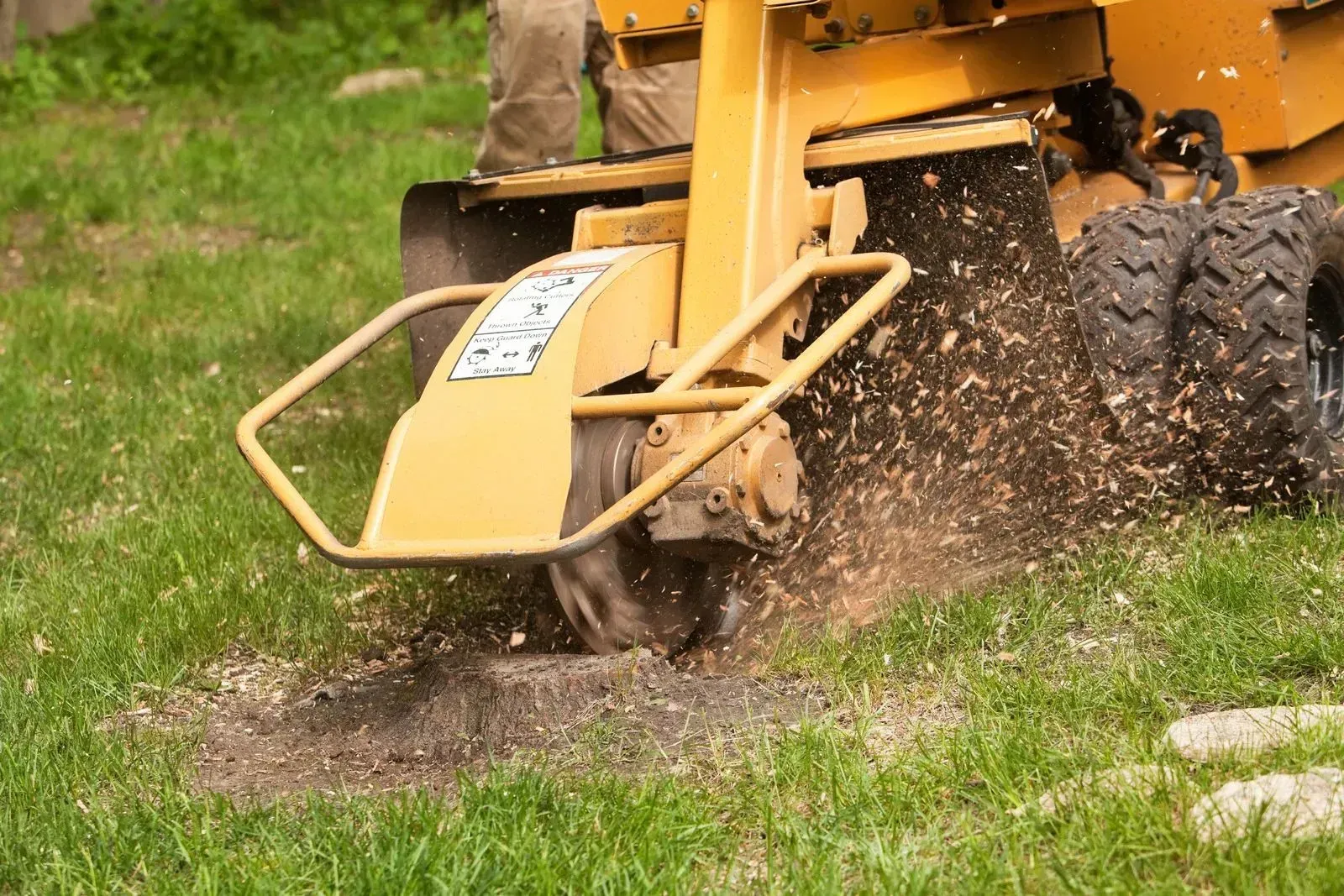
Although grinding removes most visible wood material, underground roots eventually decompose. In some situations, this process may attract termites, beetles, ants, or fungi.
Pest Attraction Concerns
The likelihood of pest issues depends on:
- Tree species.
- Soil moisture levels.
- Climate conditions.
- Existing pest activity.
Professional assessment helps determine whether grinding presents any long-term concerns for a particular property.
Evaluating Local Conditions
Quick Answer: A leaning tree is dangerous when the lean is new or getting worse, when the soil on one side of the trunk is cracked or pushed up, or when the roots on the opposite side are visibly pulling loose. A tree that has leaned the same amount for years, with no soil disturbance and a full canopy, is usually stable and just needs regular watching. Once the tilt increases after a storm or a stretch of heavy rain, or once you can see the root plate lifting, that tree needs an arborist's eyes on it right away, not next month.
You walk past the same white pine every day on the way to the mailbox, and one morning it looks different. Not fallen. Not obviously broken. Just tilted a little more than you remember, like it shifted overnight. Maybe it did. After the kind of soaking rain and wind the Poconos got last week, a lot of trees moved that didn't used to.
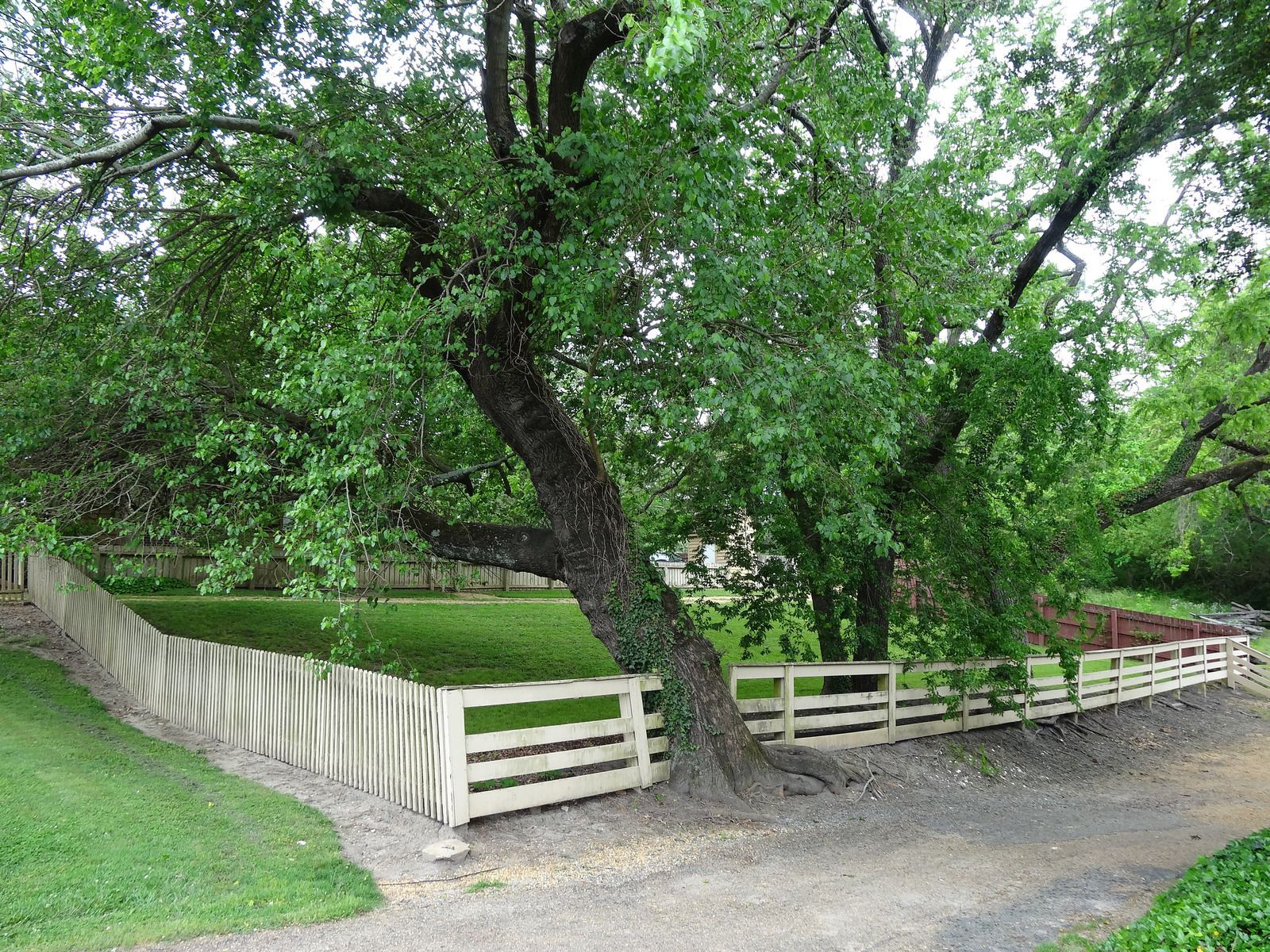
Here's the part most homeowners get wrong: a lean by itself doesn't mean much. Plenty of trees on wooded lots around Stroudsburg and East Stroudsburg have leaned since they were saplings, reaching for a gap in the canopy where the sunlight was. Those trees can stand that way for decades. What actually matters is whether the lean is new, whether it's getting worse, and what the ground around the base looks like. That's where the real story is.
Why Trees Lean in the First Place
Not every lean starts with a problem. A tree growing at the edge of a treeline, with taller neighbors shading one side, will often grow toward the open light. This is a slow, lifelong adjustment, and the roots on the far side thicken over the years to counterbalance it. You'll see this a lot on lots that back up to state game lands or dense woods, where one edge of a stand gets more sun than the rest.
Wind plays a role too, especially with shallow-rooted species growing in wet or compacted ground. A single prevailing wind direction, repeated over years, can nudge a trunk permanently off vertical. And sometimes a tree tips slightly right after planting or after nearby construction disturbs the root zone, then straightens out on its own as new roots take hold.
None of that is automatically a hazard. The trouble starts when something changes the tree's anchorage after the fact — decay working through the roots, a storm loosening the soil, or construction nearby cutting through the root system. That's a different animal from a tree that's simply grown crooked its whole life.
The Difference Between an Old Lean and a New One
This is the single biggest thing to sort out, and it comes down to timing. If you can look at old photos of the property, or if you're honestly certain the tree has looked this way for years without changing, that's a strong sign the lean is stable. Trees with long-standing leans typically show a full, even canopy, bark that looks normal all the way around the trunk, and no recent disturbance at the base.
A new lean is different. It shows up after wind, after heavy rain, or sometimes with no obvious trigger you noticed at all. According to Purdue Extension's forestry program, a proper risk inspection reviews the canopy, the branches, and the root zone together, looking specifically for exposed or decayed roots, soil heaving, fungus, or cracks forming in the ground around the root plate. Those are the exact signs that separate an old, settled lean from one that's actively progressing.
If you're not sure which one you're looking at, treat it as new until proven otherwise. It costs you nothing to watch a stable tree for a few more weeks. It costs a lot to guess wrong about one that's already failing.
What the Soil Around the Base Is Telling You
Forget the trunk for a second. The ground is where the real evidence lives, and most people never think to look down.
A tree's structural roots work something like a wine glass sitting on a dinner plate, an image forestry researchers at Alabama's Cooperative Extension System use to explain it. The trunk and canopy are the glass. The wide, flaring root plate directly under the trunk is the base holding it upright. The rest of the root system, spread out farther, mostly just feeds the tree water and minerals. When wind pushes the canopy, that force travels down the trunk and into the root plate, and friction between the roots and soil is what keeps the whole thing standing.
Mounded or cracked soil
When a tree's root plate starts pulling loose, the roots on the side opposite the lean tend to lift, pushing the soil up into a mound or ridge. You may see actual cracks in that mounded area, sometimes with roots exposed where they used to be buried.
A depression on the leaning side
On the side the tree is falling toward, the root plate pushes down instead, and you can sometimes spot a shallow dip or sunken area in the soil right at the base.
Fresh soil disturbance after rain
Saturated ground turns to something closer to soup around stressed roots, and a tree that seemed fine on Monday can show new soil movement by Friday. This is exactly why arborists tell homeowners to check leaning trees again after any major storm, not just once.
A history of cut or compacted roots nearby
A driveway poured within eight to ten feet of the trunk, a trench dug for a utility line, or years of heavy foot or vehicle traffic packing down the soil all shrink the root plate's ability to hold on. Extension foresters point to root cutting and soil compaction as two of the most common, and most preventable, reasons a tree that was fine for decades starts to lean.
If you see mounding, cracking, or a fresh depression at the base, that tree has already started to fail structurally, even if it hasn't fallen yet.
Tip: Take a photo of the base every few weeks, from the same spot, with something for scale like your boot or a rake handle. It's the easiest way to catch subtle soil movement that your memory alone will miss.
Signs Above the Ground That Point to Trouble
The canopy and trunk tell the rest of the story, and a few of these signs matter more than people expect.
Dieback on one side of the crown
If branches on the leaning side are thinning, dropping leaves early, or showing more deadwood than the rest of the tree, that side may already be losing root support underground. Roots and canopy are connected in both directions — a struggling root system shows up as a struggling crown.
New cracks in the trunk or at major branch unions
A vertical split, a seam that wasn't there last season, or bark that's pulled away from the wood underneath all point to structural failure starting in the trunk itself, not just the roots.
Mushrooms or conks on the trunk or exposed roots
Fungal fruiting bodies are a visible sign of internal decay that's often been progressing for years before it shows on the surface. A tree can look green and full up top while the wood holding it up is soft and compromised.
A sudden increase in the angle
This is the clearest signal there is. If the lean visibly worsens within days or weeks, especially after wind or rain, the root plate is actively pulling loose.
A tree showing one of these signs on its own is worth watching closely. A tree showing two or more, especially soil disturbance plus canopy dieback, has moved from a watch-and-wait situation into one that needs a professional look soon.
Most of these problems get harder to fix the longer they sit. Root decay in particular tends to spread from the point of damage back toward the trunk over a period of years, which is part of why an early look from someone trained to spot it matters more than waiting to see what happens next.
Warning:
Never let anyone, including yourself, stand, park, or work underneath a leaning tree's fall zone while you're waiting on an inspection. That zone extends out roughly as wide as the tree is tall, in every direction the tree could go, not just the direction it's leaning.
What an Assessment Actually Looks At
When Bryce and the crew get a call about a leaning tree, the first thing they do is walk the whole tree, not just glance at the trunk from the driveway. That means checking the base for soil movement, looking at where the roots enter the ground on all sides, checking the trunk for cracks or included bark at branch unions, and reading the canopy for one-sided dieback. Proximity to the house, the driveway, power lines, and anywhere people or vehicles actually spend time all factor into how urgent the situation is.
Not every leaning tree comes down. Some are structurally sound enough that cabling or bracing can reduce movement at a weak union or an over-extended limb, buying the tree years of stable life if the root system underneath is still solid. Others, particularly ones with active root plate failure or trunk decay near a target like a house or driveway, need to come down before the next windstorm settles the question for you. For trees in tight spots near structures or wires, that removal often means sectional dismantling with rigging or a bucket lift rather than a straight felling cut, which keeps the work controlled instead of leaving it to chance.
There's no shortcut to this kind of read. Two trees leaning at the exact same angle can be in completely different condition underneath, and the only way to know which one you've got is to have someone who does this daily look at the roots, the trunk, and the crown together.
Frequently Asked Questions
How much lean is too much for a tree?
There's no single angle that applies to every tree, but a lean that's increasing, or one that exceeds roughly 15 degrees from vertical on a mature tree with no history of that tilt, is generally treated as a signal for professional evaluation rather than a wait-and-see situation.
Can a leaning tree straighten itself out over time?
Young trees sometimes correct on their own, especially with support staking after a windstorm or a rough transplant. Mature trees with an established lean rarely straighten, and attempts to force one upright can do more root damage than leaving it alone.
Is it safe to stake or cable a leaning tree myself?
No. Rigid ties or improperly tensioned cables can girdle the trunk or put uneven stress on branch unions that are already compromised. Cabling and bracing systems need to be sized and positioned by someone who has assessed the specific point of weakness.
Does a leaning tree always need to come down?
Not always. A tree with a long-standing, stable lean and no soil or trunk damage can often stay put with regular monitoring. Removal becomes the right call when the lean is new or worsening, when root or trunk decay is present, or when the tree is positioned over a house, driveway, or other high-value target.
How soon after a storm should I check on a leaning tree?
Right away, and again within a day or two once the ground has had time to settle. Saturated soil loosens root plates gradually, so a tree that looks stable the morning after a storm can shift further once the ground stays wet for several days.
What's the difference between a leaning tree and one that's just crooked?
A crooked tree has an irregular trunk shape from early growth damage or competition with neighboring trees, but it's typically anchored the same as any other tree. A leaning tree is tilted as a whole unit, trunk and root plate together, which is the pattern tied to root and soil failure.
Keeping Leaning Trees Safe and Stable
A leaning tree does not automatically mean immediate danger, but changes around the trunk, roots, soil, or canopy should never be overlooked. Backwoods Tree Service brings 10 years of experience evaluating tree conditions throughout Stroudsburg, PA, helping property owners better understand whether a tree has developed structural concerns. Watching for fresh soil movement, exposed roots, trunk cracks, increasing tilt, or canopy decline can make it easier to recognize potential instability before weather or saturated ground places additional stress on the tree.
Regular observation remains especially important after strong winds, prolonged rainfall, construction activity, or other conditions that can disturb a tree's root system. A tree that has maintained the same lean for years may remain stable, while a recently shifting tree can indicate changes below the surface that deserve closer attention. Understanding the difference comes from considering the roots, trunk, crown, surrounding soil, and nearby structures together, creating a clearer picture of the tree's overall stability and long-term condition.