
Dead Branches Hanging Over Your House After a Pocono Storm? Why to Act Fast
July 6, 2026
Decaying wood naturally attracts insects and other organisms.
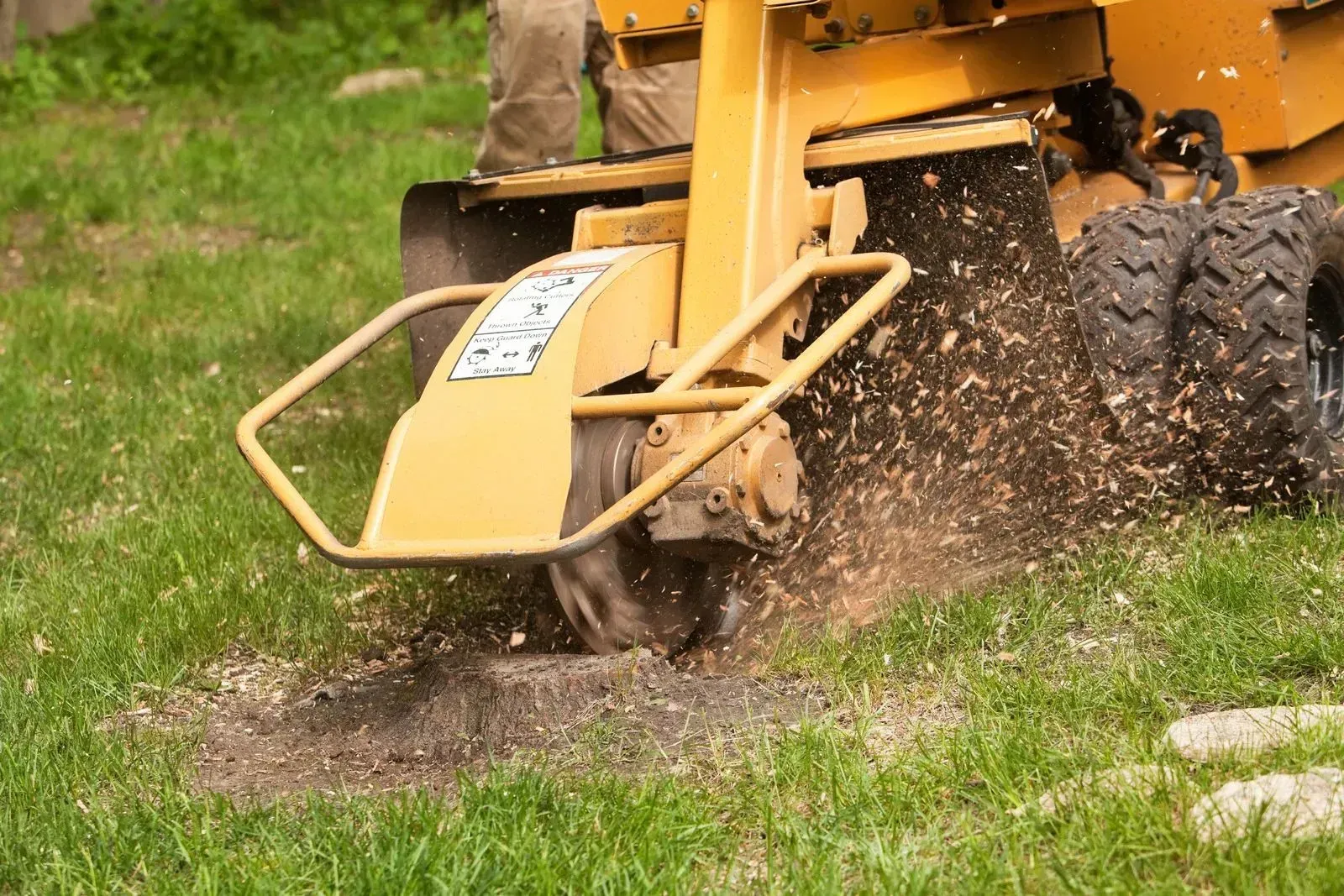
Although grinding removes most visible wood material, underground roots eventually decompose. In some situations, this process may attract termites, beetles, ants, or fungi.
Pest Attraction Concerns
The likelihood of pest issues depends on:
- Tree species.
- Soil moisture levels.
- Climate conditions.
- Existing pest activity.
Professional assessment helps determine whether grinding presents any long-term concerns for a particular property.
Evaluating Local Conditions
Quick Answer: A dead or broken branch hanging over your house after a storm is a hazard that can fall at any time, with no further warning, onto the roof, a car, or a person. Storm-damaged limbs that are cracked, partially broken, or lodged in the canopy ("hangers") have lost their support and are held up only by chance. They're especially dangerous over a house or walkway, and the next gust or even their own weight can bring them down. Removing them promptly, by a pro, is the safe move.
After a Pocono storm rolls through, you walk the yard and spot it: a large dead or broken branch hanging over the house, cracked and dangling, or lodged in the canopy where it snapped but did not fall. It is tempting to leave it, figuring it has held this long, but a hanging storm-damaged limb is one of the more dangerous things a storm can leave behind, and the timing of when it finally falls is anyone's guess.
The reason to act fast is simple: a branch in that condition has lost the support that was holding it, and it is staying up by chance, not by strength. Over a house, a car, a deck, or a walkway, that is a serious hazard waiting to come down. Understanding why hanging limbs are so dangerous, and why waiting is risky, makes the case for getting them removed promptly and safely. Here is what a dangling branch is really telling you.
Why a Hanging Branch Is So Dangerous
A healthy branch is supported by its attachment to the tree, sound wood connecting it to the trunk or a larger limb. A storm-damaged branch has lost some or all of that support, which is exactly what makes it dangerous.
When a storm cracks, splits, or partially breaks a branch, the wood that held it up is compromised. The branch may still be hanging, but it is no longer attached the way it was, it is held by a fraction of its original connection, by the tangle of the canopy, or simply by where it happened to come to rest. Arborists call a broken, lodged limb a "hanger," and it is essentially a heavy object suspended overhead with nothing reliable holding it. Gravity, wind, the branch's own weight, or the next disturbance can release it at any moment.
That is the core danger: the branch is in an unstable, unsupported state, and there is no telling when it will fall. It might hold for days or come down in the next breeze. Over a house or anywhere people go, a heavy limb falling without warning is a real threat to property and safety. The fact that it has not fallen yet is not reassurance, it is borrowed time.
Why Storms Leave These Behind
Pocono storms, with their wind, heavy rain, snow, and ice, are hard on trees, and hanging limbs are one of the most common things they leave.
High winds snap and crack branches, and heavy snow or ice loads weigh them down until they break. Often a branch does not fall cleanly, it cracks or partially breaks and then catches in the canopy or hangs by a strip of wood, leaving the dangling hanger. Dead branches are especially prone: dead wood is brittle and weak, so a storm readily breaks it, and a dead limb that was already a hazard becomes a falling one after a storm. Trees stressed or weakened, by disease, age, or previous damage, shed limbs more readily in a storm, too.
So after a storm, it is common and expected to find branches that are cracked, hung up, or barely attached. The storm did the breaking; what it leaves is the suspended hazard, and the wooded Pocono setting, with lots of mature trees over and around homes, means plenty of those limbs end up over rooflines and yards.
Tip: After a storm, scan your trees from the ground, especially the ones over the house, driveway, and walkways, and look for branches that are cracked, bent at a wrong angle, hanging down, or lodged in the canopy rather than growing from it. Note any over areas where people or cars go. Don't walk directly under a suspected hanger to inspect it. Spotting them early, from a safe distance, lets you get the dangerous ones removed before they fall on their own..
Why Acting Fast Matters
The instinct to wait, the branch has held this long, so maybe it will keep holding, is exactly the wrong read on a hanging limb, and acting promptly is the safe choice for a few reasons.
It can fall at any time
An unsupported, storm-damaged branch has no predictable timeline. It can come down in the next gust, under its own weight as the wood fails further, or when something disturbs it. Every day it hangs is a day it might fall, and you cannot know which day that is.
The target is your house or the people near it
A hanger over the roof, a parked car, a deck, or a walkway is suspended over exactly what you do not want it to hit. A heavy limb falling onto a roof can cause real damage, and onto a person, serious injury. The stakes of where it is hanging are what make prompt removal so important.
Weather will keep testing it
In the Poconos, the next wind, rain, or snow is never far off, and each one stresses an already-failing limb. A branch that survived one storm in a weakened state is unlikely to survive the next, and you do not want it coming down during one.
Waiting doesn't make it safer
A hanging limb does not heal or re-attach. Time only lets the wood weaken further and the odds of a fall increase. There is no upside to leaving it.
So the case for acting fast is clear: the hazard is unpredictable, the target is valuable, the weather will keep testing it, and waiting only raises the risk. Prompt removal takes the danger down on your terms instead of letting it fall on its own.
Warning:
Do not try to remove a hanging or lodged branch yourself, especially one over the house or up in the canopy. Storm-damaged limbs are under unpredictable tension and weight, and they can release suddenly and violently when disturbed, falling on you or shifting in ways that cause serious injury. Working overhead, on a ladder, or near a roofline with a loaded limb is dangerous, and chainsaw work on a tensioned branch is hazardous even for the experienced. Hangers should be removed by a tree professional with the training and equipment to do it safely.
Frequently Asked Questions
Is a hanging branch really going to fall, or will it hold?
There's no way to know, and that's the danger. A storm-damaged branch has lost the support that held it and is staying up by chance, gravity, wind, its own weight, or any disturbance can release it at any time. The fact that it hasn't fallen yet isn't a sign it's stable; it's borrowed time.
What's a "hanger"?
It's an arborist's term for a broken or partially detached limb that's caught or lodged in the tree rather than fully fallen. A hanger is essentially a heavy branch suspended overhead with little reliable support holding it, which is why it's considered a serious hazard, particularly over a house or where people go.
Why are dead branches especially dangerous after a storm?
Dead wood is brittle and weak, so storms break it readily, and a dead limb that was already a hazard becomes a falling one. Dead branches over the house are a top priority to remove because they have little strength left and can come down with little provocation.
Can I just knock the branch down myself?
No. Storm-damaged and lodged limbs are under unpredictable tension and weight and can release suddenly and violently when disturbed, causing serious injury. Working overhead, on a ladder, or with a saw on a loaded branch is dangerous. Hangers should be removed by a tree professional with the right training and equipment.
Why not just wait and see if it falls on its own?
Because waiting only increases the risk. The limb won't re-attach or get safer, the wood weakens over time, the next Pocono storm will stress it further, and when it does fall, it falls onto whatever it's hanging over, your roof, car, or a person. Prompt removal takes the hazard down safely instead.
How soon should I have a hanging limb removed?
Promptly, especially if it's over the house, a car, a walkway, or anywhere people gather. Because it can fall at any time and the next weather will test it, a dangerous hanger is worth addressing quickly rather than leaving it suspended over something valuable.
How can I tell if a branch over my house is dangerous?
Look for branches that are cracked, split, bent at an odd angle, hanging down, or visibly lodged in the canopy rather than growing naturally from the tree, and pay special attention to dead branches, which are brittle and weak. Any of these over the house, a car, or a walkway should be treated as a hazard. Note them from a safe distance and have a professional assess them.
Why not just wait until the next scheduled tree service?
Because a storm-damaged hanger is on no one's schedule but its own, it can fall at any time, and the next bout of Pocono weather will stress it further. A dangerous limb over the house is worth addressing as its own prompt priority rather than bundling it into routine maintenance that may be weeks away.
Does removing the hanger fix the tree, too?
Removing the immediate hazard makes things safe, but a storm-damaged tree may have other issues worth evaluating, additional weakened limbs, or damage that affects its health. Having the tree looked at while addressing the hanger lets a professional flag anything else that could become a problem in the next storm.
Don't Wait for It to Fall
A dead or broken branch hanging over your house after a Pocono storm is not a wait-and-see situation, it is a heavy hazard suspended overhead by chance, with no telling when it will come down. The support that held it is gone, the next gust or its own weight can release it, and it is hanging over exactly what you do not want it to hit. Acting fast, getting a professional to remove the hanger safely, takes the danger down on your terms rather than leaving it to fall on its own onto your roof or someone below.
Get dangerous storm-damaged limbs down before they fall — A branch hanging over your house has lost its support and can come down at any moment, onto the roof, a car, or a person, and the next Pocono storm will only test it further. With 10
years of experience, Backwoods Tree Service safely removes storm-damaged hangers and dead limbs over homes across Stroudsburg, Pennsylvania, with the training and equipment to bring them down without anyone in harm's way. Reach out for prompt
tree removal services and clear the hazard before it falls.