
How Professional Pruning Improves Safety, Beauty, and Property Value
May 5, 2026
Trees are one of the most valuable natural assets on any property, offering shade, character, and environmental benefits. However, without proper care, even the healthiest trees can become liabilities. Overgrown branches, weak limbs, and dense canopies can pose safety hazards, reduce visual appeal, and negatively impact property value. Professional pruning plays a critical role in maintaining tree health while ensuring that landscapes remain safe, attractive, and functional. It is not simply about cutting branches; it is a strategic process that requires knowledge, precision, and an understanding of tree biology. When done correctly, pruning supports structural stability and encourages balanced growth, preventing long-term issues before they arise. It also allows us to maintain control over tree size and shape, ensuring compatibility with surrounding structures and landscapes.
In today’s competitive real estate and property management landscape, maintaining outdoor spaces is just as important as maintaining interiors. Well-pruned trees enhance curb appeal, improve safety for residents and visitors, and contribute to long-term property value. Whether managing a residential yard or a commercial landscape, investing in professional pruning ensures that trees grow in a controlled, healthy manner. This blog explores how expert pruning practices improve safety, elevate visual aesthetics, and strengthen overall property value, while providing actionable insights and best practices for long-term success. Consistent maintenance not only preserves the beauty of a property but also reduces unexpected repair costs over time. By prioritizing proper tree care, we create environments that are both visually appealing and structurally sound.
1. Enhancing Safety Through Strategic Pruning
Identifying and Removing Hazardous Limbs
One of the most critical benefits of professional pruning is the removal of dangerous branches. Dead, diseased, or structurally weak limbs can fall unexpectedly, especially during storms or high winds. These hazards pose risks to people, vehicles, and nearby structures. Regular pruning helps identify these vulnerabilities early, allowing us to eliminate potential threats before they escalate into costly damage or injury.
For example, a large overhanging branch above a driveway may appear stable but could be internally compromised. Without proper inspection and pruning, it can break without warning. Strategic removal reduces liability and creates a safer environment for everyone on the property.
Improving Visibility and Clearance
Overgrown trees often obstruct visibility around driveways, sidewalks, and roadways. This can create dangerous conditions for pedestrians and drivers alike. Professional pruning ensures proper clearance, improving sightlines and reducing the risk of accidents.
In addition, maintaining adequate distance between branches and utility lines is essential. Encroaching limbs can interfere with power lines, leading to outages or fire hazards. Proper pruning keeps trees safely away from these critical infrastructures.
Storm Preparedness and Risk Reduction
Weather events can amplify existing weaknesses in trees. Heavy winds, rain, or snow can cause poorly maintained trees to fail. Pruning strengthens tree structure by removing excess weight and improving balance, making trees more resilient during extreme conditions.
A well-pruned tree distributes stress more evenly, reducing the likelihood of branch failure. This proactive approach minimizes emergency situations and protects property during unpredictable weather patterns.
2. Promoting Healthy Tree Growth and Longevity
Encouraging Strong Structure
Professional pruning focuses on guiding tree growth in a way that promotes structural integrity. By selectively removing competing branches and correcting growth patterns early, we help trees develop a strong central structure. This reduces the likelihood of future splitting or breakage.
Young trees, in particular, benefit from formative pruning. Establishing a solid framework early ensures healthier growth and fewer issues as the tree matures.
Preventing Disease and Pest Infestation
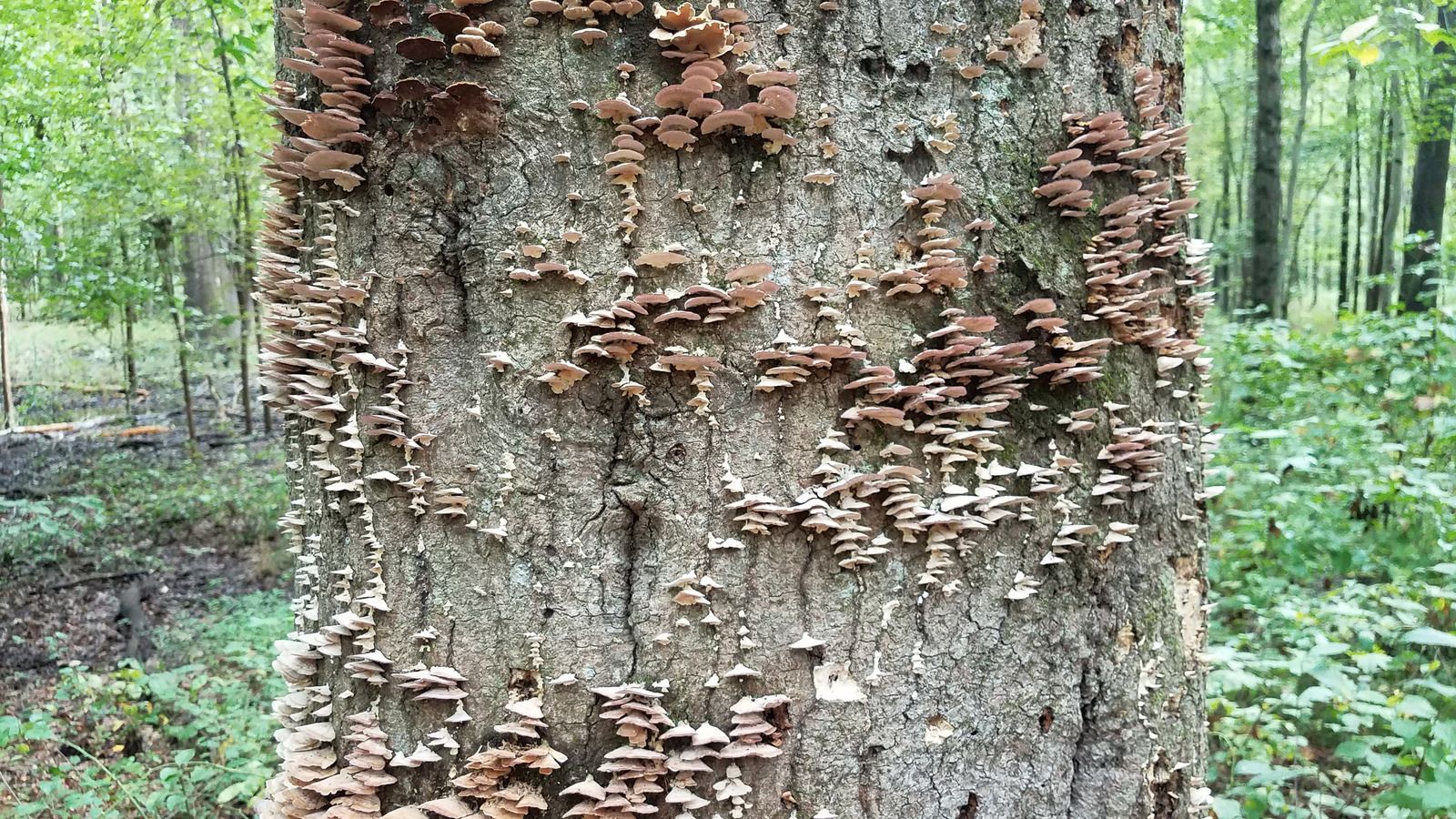
Diseased or infested branches can spread problems throughout the entire tree if left untreated. Pruning removes affected areas, preventing the spread of decay and protecting overall tree health.
Proper pruning techniques also improve air circulation and sunlight penetration within the canopy. This creates an environment that is less conducive to fungal growth and pest infestations. Healthier trees are more resilient and require fewer corrective interventions over time.
Extending Tree Lifespan
Regular maintenance through pruning significantly extends the lifespan of trees. By addressing issues early and maintaining optimal structure, trees can thrive for decades.
Neglect, on the other hand, often leads to premature decline. Overcrowded branches compete for resources, weakening the tree and making it more susceptible to disease and environmental stress. Consistent pruning ensures that trees remain strong, vibrant, and long-lasting.
3. Elevating Landscape Aesthetics and Curb Appeal
Creating a Balanced and Attractive Canopy
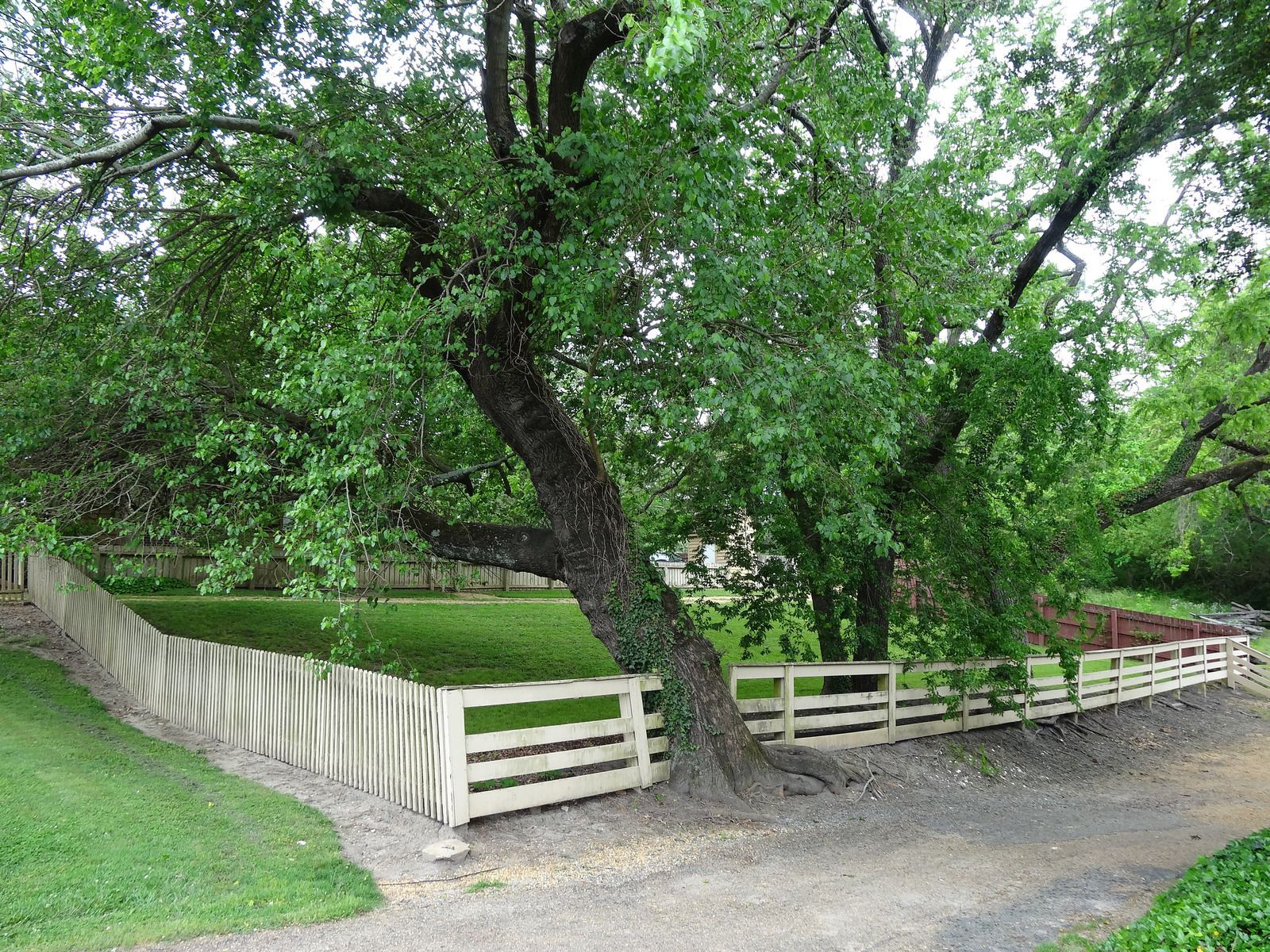
A well-pruned tree enhances the overall appearance of a property. Removing excess growth and shaping the canopy creates a balanced, visually appealing structure that complements the surrounding landscape.
For homeowners, this translates to a polished and inviting exterior. For commercial properties, it creates a professional and well-maintained impression that attracts customers and visitors.
Highlighting Key Landscape Features
Overgrown trees can overshadow other elements of a landscape, such as gardens, walkways, or architectural features. Strategic pruning allows these elements to stand out, improving the overall design and harmony of the space.
For instance, trimming lower branches can open up views of a landscaped yard or reveal a decorative pathway. This enhances the visual experience and maximizes the impact of existing features.
Seasonal Appearance and Consistency
Different tree species require pruning at specific times to maintain their best appearance. Professional pruning ensures that trees look their best throughout the year, aligning with seasonal growth patterns.
Consistent maintenance prevents trees from becoming unruly or uneven. This is particularly important for properties that rely on visual appeal, such as rental homes, office complexes, or retail spaces.
4. Increasing Property Value and Market Appeal
First Impressions and Buyer Perception
Curb appeal plays a significant role in property valuation. Well-maintained trees contribute to a positive first impression, which can influence potential buyers or tenants. A property with neatly pruned trees appears cared for and move-in ready.
In contrast, neglected trees can signal poor maintenance, potentially lowering perceived value. Buyers may anticipate additional costs for tree removal or repairs, which can impact their willingness to invest.
Long-Term Financial Benefits
Professional pruning is a cost-effective investment that prevents expensive issues in the future. Addressing structural weaknesses, disease, and overgrowth early reduces the need for emergency services or complete tree removal.
Additionally, healthy, mature trees can significantly increase property value. They provide shade, reduce energy costs, and enhance the overall environment. Proper pruning ensures that these benefits are preserved and maximized.
Compliance and Liability Reduction
Many municipalities have regulations regarding tree maintenance, particularly for trees near public spaces or utilities. Failure to comply can result in fines or legal issues.
Regular pruning helps ensure compliance with local standards while reducing liability risks. A well-maintained property demonstrates responsibility and adherence to safety guidelines, which is valuable for both residential and commercial owners.
5. Best Practices and Professional Expertise in Pruning
Understanding Tree Biology and Growth Patterns
Effective pruning requires a deep understanding of how trees grow and respond to cuts. Improper techniques can damage trees, leading to stress, disease, or abnormal growth.
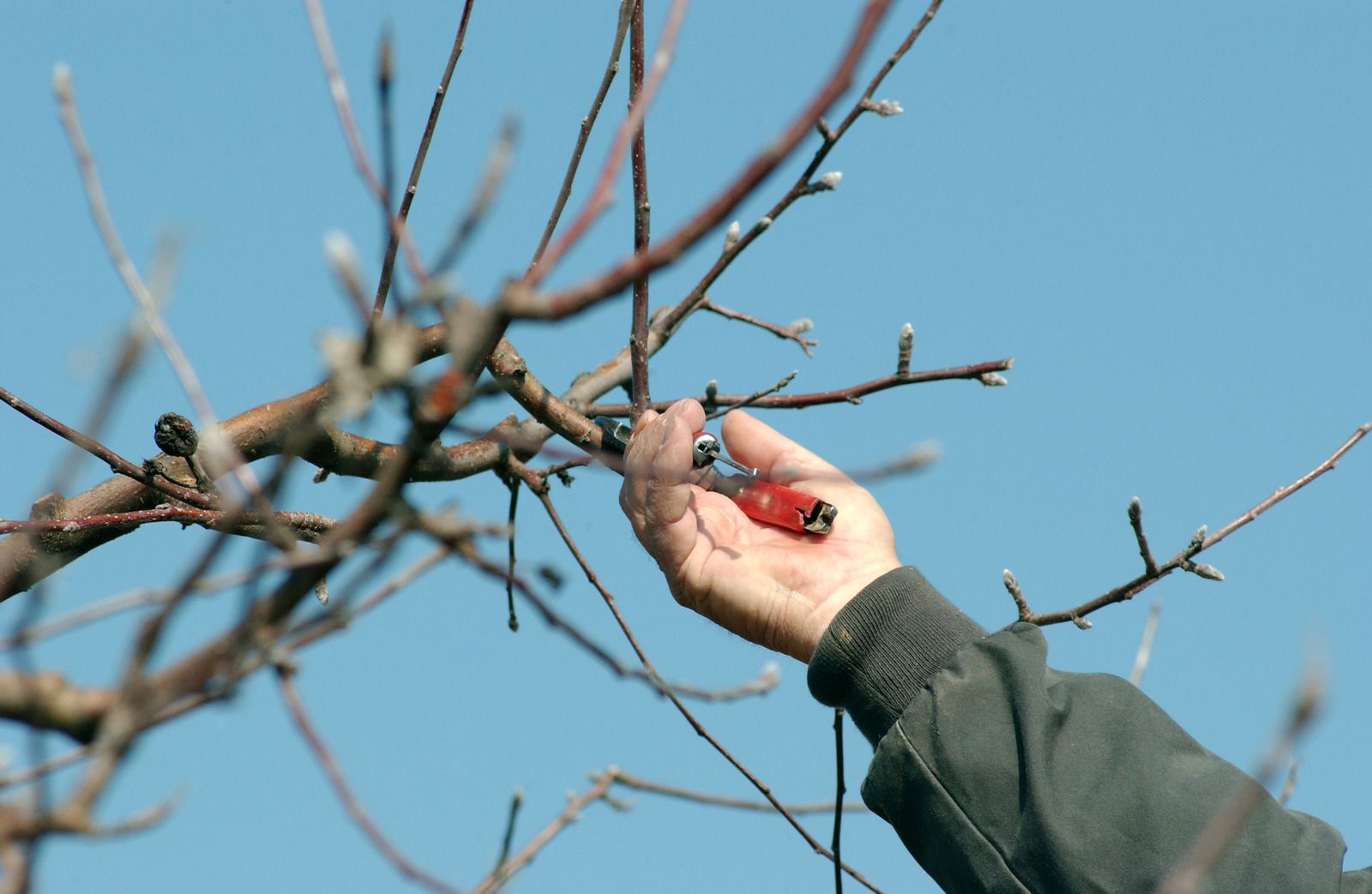
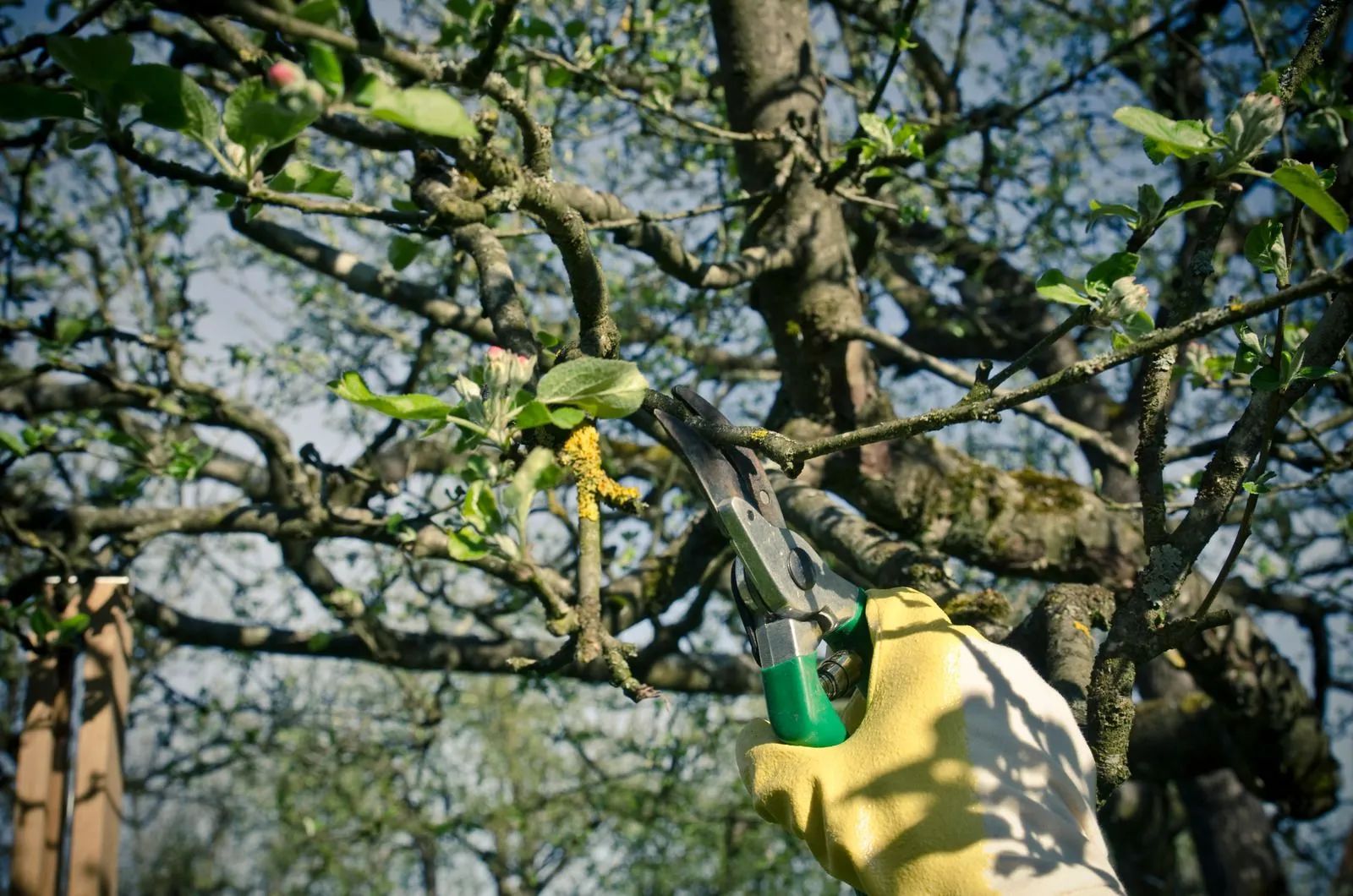
Professional pruning involves precise cuts at the right locations, ensuring that trees heal properly and continue to grow in a healthy manner. This level of expertise is essential for achieving long-term results.
Timing and Seasonal Considerations
Pruning at the right time of year is critical. Different species have specific pruning windows that maximize benefits and minimize stress. For example, some trees respond best to pruning during dormancy, while others require maintenance after flowering.
Incorrect timing can hinder growth or reduce flowering potential. Professional guidance ensures that pruning is performed at the optimal time for each tree.
Using Proper Tools and Techniques
The quality of tools and techniques used in pruning directly impacts the outcome. Clean, sharp tools create precise cuts that heal quickly, reducing the risk of infection.
In addition, safety equipment and proper procedures are essential when working at heights or near structures. Professional pruning prioritizes both tree health and worker safety, ensuring efficient and effective results.
Avoiding Common Pruning Mistakes
Over-pruning, topping, and improper cuts are common mistakes that can harm trees. These practices weaken structure, encourage poor growth, and increase vulnerability to disease.
Professional pruning avoids these pitfalls by following industry best practices. The goal is to enhance the tree’s natural form while maintaining its health and stability.
Trusted Tree Care Solutions Backed by Proven Expertise
When it comes to maintaining the safety, beauty, and value of outdoor spaces, experience and precision make a measurable difference. At Backwoods Tree Service, we bring 10 years of hands-on expertise in delivering reliable tree care and arborist solutions tailored to the unique needs of each property. Based in Stroudsburg, Pennsylvania, our approach focuses on proactive care, detailed assessments, and strategic pruning methods that promote long-term tree health.
We understand that every tree and landscape presents its own challenges. Our process emphasizes careful evaluation, proper timing, and the use of industry-approved techniques to ensure optimal results. From removing hazardous limbs to shaping trees for improved aesthetics, we prioritize both safety and visual appeal in every project.
Our commitment to quality workmanship and customer satisfaction sets us apart as a trusted authority in tree care. By choosing our services, property owners gain peace of mind knowing that their trees are managed with professionalism and care. We focus on delivering consistent, high-quality results that protect investments, enhance landscapes, and support the long-term health and beauty of every property we serve.