
Stump Grinding vs. Full Removal: Which Option Is Right for Your Property?
June 5, 2026
Tree removal is often necessary when a tree becomes diseased, damaged, hazardous, or unsuitable for a property's landscape design. However, removing the tree itself is only part of the process. Property owners are then faced with an important decision regarding what to do with the remaining stump. While some choose to leave the stump in place temporarily, doing so can create safety concerns, attract pests, interfere with landscaping plans, and affect the overall appearance of the property. As a result, stump grinding and full stump removal have become the two primary solutions recommended by tree care professionals. Understanding the differences between these methods is essential for making an informed decision that aligns with your property's goals, budget, and long-term plans.
Both stump grinding and full removal offer distinct advantages, but neither option is universally better for every situation. Factors such as future construction projects, landscaping objectives, soil conditions, tree species, and maintenance preferences all influence the most suitable approach. Choosing the right method can improve safety, enhance curb appeal, prevent future complications, and support healthy land use. By examining how each process works, comparing costs and benefits, and evaluating practical applications, property owners can determine which solution provides the greatest value. Understanding these differences helps ensure that stump management supports both immediate needs and future property improvements.
Understanding the Difference Between Stump Grinding and Full Removal
What Is Stump Grinding?
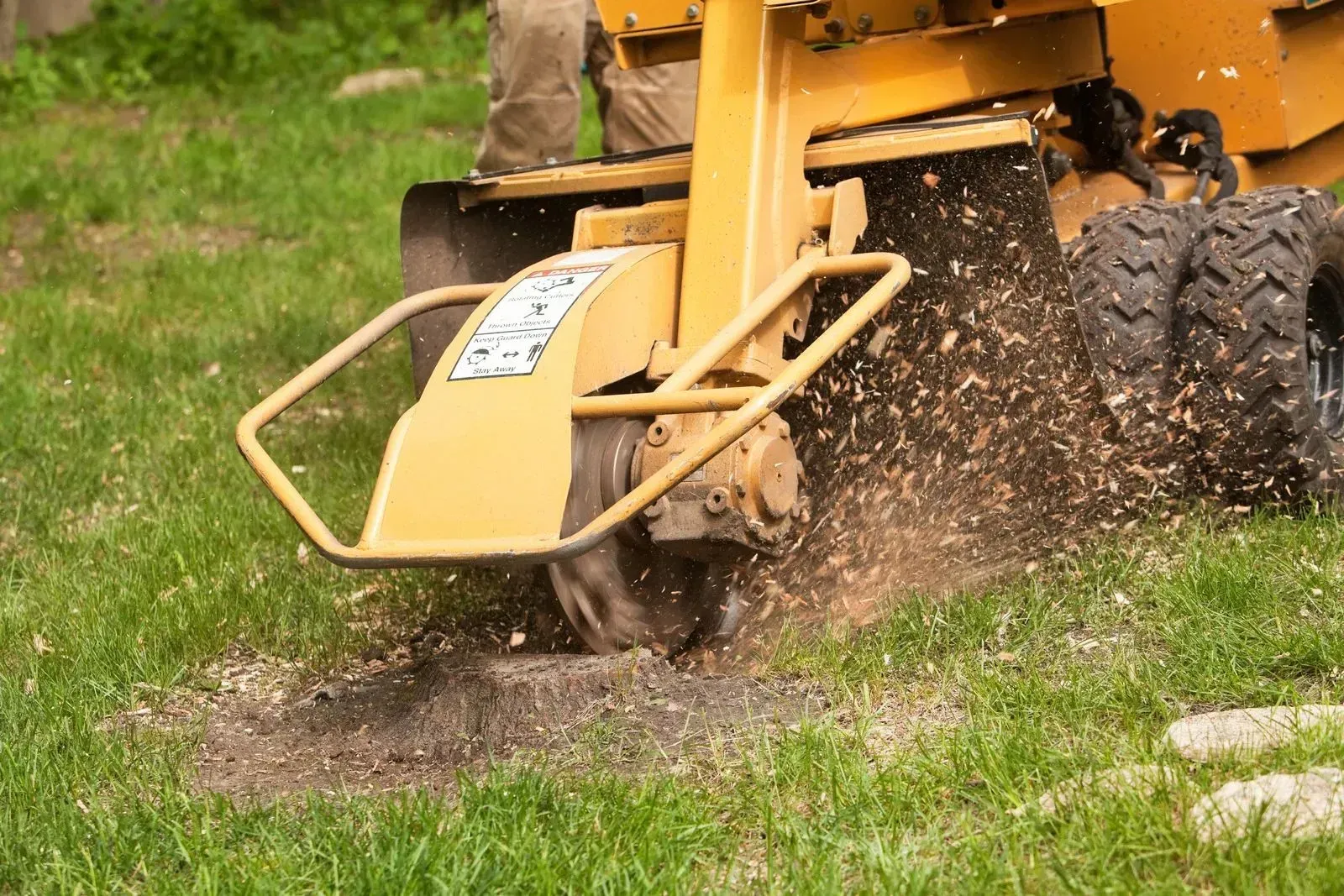
Stump grinding involves using specialized equipment to grind the visible portion of a tree stump into small wood chips. A powerful grinding wheel reduces the stump below ground level, typically several inches beneath the surface. The remaining root system stays underground and naturally decomposes over time.
This process focuses on eliminating the visible obstacle while minimizing disruption to surrounding soil and landscaping. Many homeowners prefer stump grinding because it is quicker, less invasive, and generally more affordable than complete removal.
Key Benefits of Stump Grinding
- Faster completion times.
- Minimal disturbance to nearby plants and structures.
- Lower labor and equipment costs.
- Improved appearance without extensive excavation.
- Easier restoration of lawns and landscaped areas.
What Is Full Stump Removal?
Full stump removal involves extracting the entire stump and major root system from the ground. Heavy equipment is often used to dig around the stump, sever roots, and remove all significant underground wood material.
This method completely eliminates both the visible stump and the root structure. Although it requires more labor and site disturbance, it provides a clean slate for future construction and landscaping projects.
Key Benefits of Full Removal
- Eliminates all major roots.
- Prevents future root-related issues.
- Creates space for new construction.
- Allows complete site redevelopment.
- Reduces long-term decomposition concerns.
Comparing Costs, Time, and Property Impact
Cost Considerations
One of the biggest factors influencing stump treatment decisions is cost. Stump grinding usually requires less labor, smaller equipment, and fewer restoration efforts after completion.
Full removal often costs more because the process involves excavation, root extraction, debris hauling, and site restoration. Larger stumps with extensive root systems can further increase expenses.
Why Grinding Is Often More Affordable
Because grinding focuses only on the stump itself, less excavation is required. This reduces labor hours and minimizes the need for heavy machinery.
For many residential properties, grinding offers a practical balance between affordability and functionality.
Time Requirements
Property owners often want projects completed quickly with minimal disruption.
Stump grinding can frequently be completed within a few hours, depending on stump size and accessibility. Lawn repairs afterward are usually straightforward.
Full removal may require additional time for excavation, debris disposal, grading, and soil replacement. Larger projects may extend over multiple days.
Impact on Surrounding Areas
Grinding generally preserves existing landscaping. Nearby trees, flower beds, irrigation systems, and hardscapes experience less disturbance.
In contrast, full removal creates a larger work area and may require significant restoration after excavation. Property owners should consider how much disruption they are willing to accept before selecting a method.
When Stump Grinding Is the Better Choice
Improving Lawn Appearance
Many homeowners simply want to eliminate an unattractive stump and restore the visual appeal of their yard.
In these situations, stump grinding often provides the ideal solution. Once grinding is complete, the area can be covered with soil and grass seed, creating a clean and attractive landscape.
Ideal for Established Landscapes
Properties with mature landscaping often benefit from grinding because the process avoids damaging nearby features.
Examples include:
- Decorative gardens.
- Irrigation systems.
- Walkways and patios.
- Retaining walls.
- Existing trees and shrubs.
Managing Budget Constraints
Not every property improvement project requires full root extraction.
If the goal is to remove a trip hazard, improve aesthetics, or reclaim lawn space, grinding usually delivers satisfactory results at a lower cost.
Practical Residential Applications
Stump grinding works well for:
- Backyard trees.
- Front-yard landscape improvements.
- Recreational lawn areas.
- Routine property maintenance projects.
For many homeowners, the benefits of full removal do not justify the additional expense when future excavation is not planned.
Situations Where Full Removal Makes More Sense
Preparing for Construction Projects
When future development is planned, complete stump removal often becomes necessary.
Construction projects require stable, obstruction-free soil. Remaining roots can interfere with foundations, utility installations, drainage systems, and other infrastructure.
Common Construction Scenarios
Full removal is recommended when preparing for:
- Home additions.
- Detached garages.
- Driveways.
- Swimming pools.
- Utility trenches.
- Commercial developments.
Removing the entire root system helps create a more predictable construction environment.
Replanting New Trees
Some property owners wish to plant another tree in the exact location where a previous tree stood.
Because old roots remain underground after grinding, planting directly over the site can become challenging.
Supporting Healthy Root Development
Full removal provides new trees with:
- More usable soil space.
- Fewer underground obstructions.
- Better root expansion opportunities.
- Reduced competition from decaying roots.
This creates a stronger foundation for long-term tree health.
Addressing Aggressive Root Systems
Certain tree species develop extensive root networks that can continue causing issues even after the stump is removed.
In these cases, complete extraction may be the most practical solution for preventing future complications.
Long-Term Property Considerations and Potential Risks
Pest Attraction Concerns
Decaying wood naturally attracts insects and other organisms.
Although grinding removes most visible wood material, underground roots eventually decompose. In some situations, this process may attract termites, beetles, ants, or fungi.
Evaluating Local Conditions
The likelihood of pest issues depends on:
- Tree species.
- Soil moisture levels.
- Climate conditions.
- Existing pest activity.
Professional assessment helps determine whether grinding presents any long-term concerns for a particular property.
Soil Settlement Over Time
As remaining roots decompose after grinding, small pockets of settling may occur beneath the soil surface.
Property owners may occasionally need to add topsoil to maintain a level lawn.
Understanding Natural Decomposition
This gradual settling process is usually manageable and does not create significant problems for most residential landscapes.
However, areas intended for construction generally benefit from complete root removal to avoid future ground movement.
Environmental and Landscape Goals
Some property owners prioritize minimizing environmental disruption.
Grinding often supports this objective by preserving existing soil structure and reducing excavation.
Others may prioritize complete land redevelopment, making full removal the preferred choice.
Matching the removal method to the property's future plans produces the most satisfactory long-term results.
Factors Professionals Consider Before Making Recommendations
Tree Species and Root Characteristics
Different trees produce different root systems.
Some species create shallow, manageable roots, while others develop extensive underground networks. Understanding these characteristics helps determine whether grinding or full removal is more appropriate.
Site Accessibility
Equipment access plays a major role in project planning.
Narrow gates, fencing, steep slopes, and limited workspace may restrict the use of large excavation equipment.
In these situations, stump grinding often becomes the more practical option.
Property Goals and Future Plans
Professional arborists evaluate more than the stump itself. Long-term property objectives significantly influence recommendations.
Questions commonly considered include:
- Will construction occur in the future?
- Is replanting planned?
- Are underground utilities nearby?
- Is preserving landscaping important?
- What is the available budget?
Answering these questions helps identify the solution that delivers the greatest value.
Importance of Professional Assessment
Every property presents unique conditions. Soil composition, stump size, root spread, surrounding structures, and future land use all affect decision-making.
A professional evaluation provides accurate recommendations tailored to the property's specific needs, helping avoid unnecessary costs and future complications.
Depend on Professional Tree Care Knowledge and Experience
Choosing between stump grinding and full removal depends on more than simply eliminating a leftover tree stump. The decision should support your property's long-term goals, landscaping plans, safety requirements, and budget considerations. Stump grinding offers a fast, affordable, and minimally invasive solution that works well for many residential applications. It improves appearance, removes obstacles, and preserves surrounding landscapes with limited disruption. Full removal, on the other hand, provides a more comprehensive solution when construction, major redevelopment, or complete root elimination is required.
For property owners seeking expert guidance, Backwoods Tree Service stands as a trusted authority in Tree Care & Arborist Service throughout Stroudsburg, Pennsylvania. With 10 years of industry experience, we understand that every stump removal project requires careful evaluation, professional equipment, and a solution tailored to the property's future goals. Whether a property owner is considering stump grinding to restore lawn space or complete stump removal for a construction project, we provide knowledgeable recommendations based on safety, efficiency, and long-term value. Our approach focuses on protecting landscapes, minimizing unnecessary disruption, and delivering results that support both aesthetics and functionality. From assessing root systems to identifying potential challenges beneath the surface, we help property owners make confident decisions that align with their needs. When expert stump management matters, our experience and dedication provide the guidance property owners can trust.