
How Soil Aeration and Fertilization Help Your Trees Thrive

November 12, 2025

Healthy trees are more than just a beautiful addition to your yard—they are vital to your property’s ecosystem, providing shade, improving air quality, and enhancing curb appeal. However, trees can struggle if their roots cannot access essential nutrients and oxygen from the soil. That’s where soil aeration and fertilization come in. These practices improve soil structure, increase nutrient availability, and strengthen your trees’ natural defenses. Understanding the benefits of these services can help you make informed decisions, ensuring your trees thrive for years to come while enhancing the overall health of your landscape.

Understanding Soil Aeration

Soil aeration is the process of perforating the soil to allow air, water, and nutrients to penetrate the roots more effectively. Compacted soil, which is common in urban landscapes and heavily trafficked yards, restricts root growth and reduces a tree’s ability to absorb essential nutrients. Aeration relieves this compaction by creating small holes, allowing roots to expand freely and encouraging beneficial microbial activity. Over time, this leads to stronger, deeper roots and more resilient trees capable of withstanding drought, disease, and other environmental stresses.

The Role of Fertilization

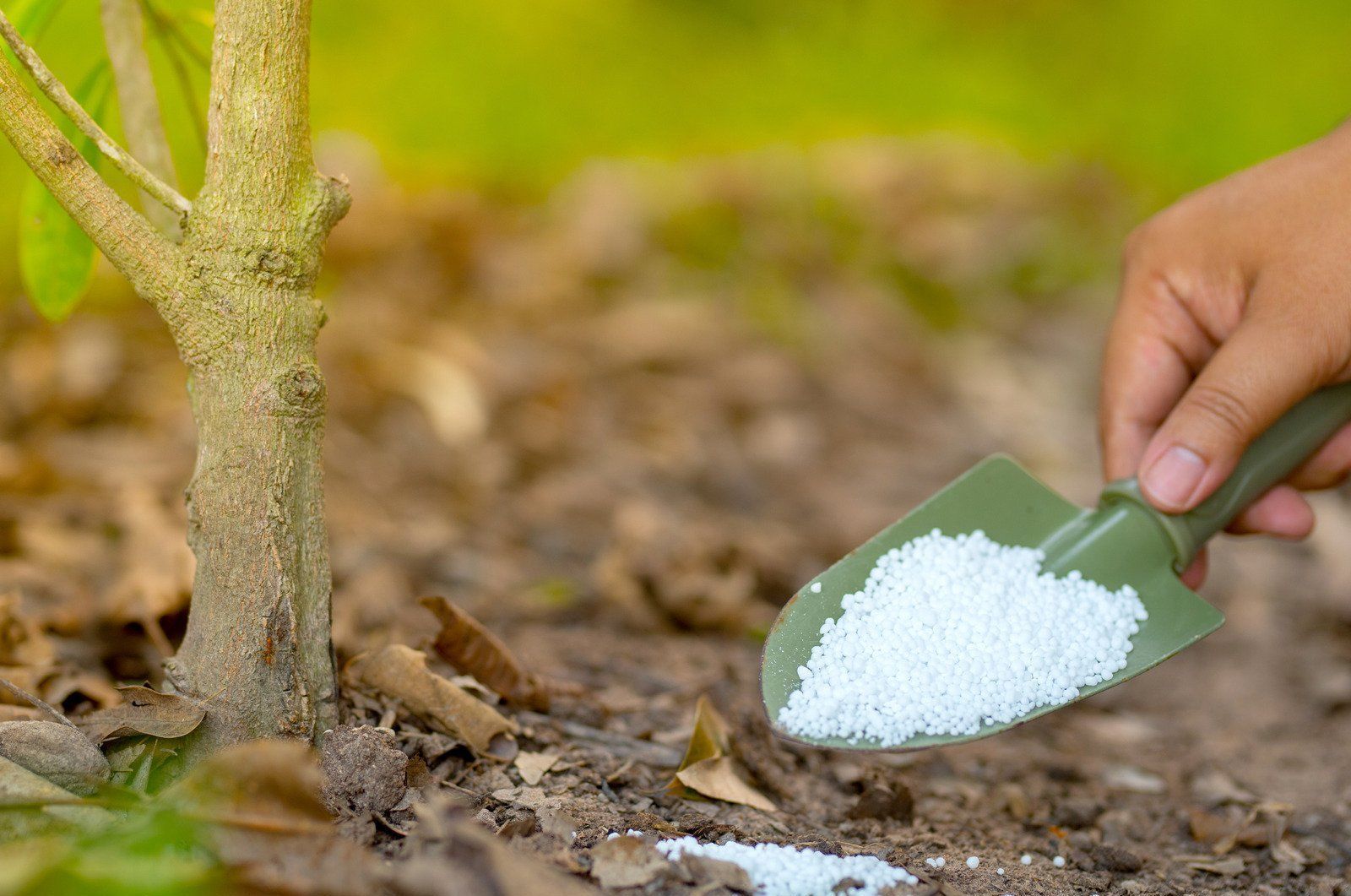
Fertilization complements soil aeration by replenishing nutrients that may be lacking in the soil. Trees require a balanced mix of macronutrients like nitrogen, phosphorus, and potassium, as well as trace elements such as magnesium, iron, and zinc. Fertilizers help correct nutrient deficiencies, boost growth, and improve leaf color and density. Applied at the right time and in the proper amounts, fertilization strengthens a tree’s natural defense mechanisms, making it more resistant to pests, diseases, and extreme weather conditions.

Synergy Between Aeration and Fertilization

When combined, soil aeration and fertilization create a synergistic effect. Aeration ensures that nutrients from fertilizers are distributed evenly and absorbed efficiently by the roots. This combination enhances soil health, stimulates microbial activity, and promotes vigorous root systems. As a result, trees can access the nutrients they need to flourish, producing fuller canopies, healthier foliage, and stronger branches. Regularly scheduled aeration and fertilization also contribute to long-term soil vitality, ensuring your landscape remains sustainable and vibrant.

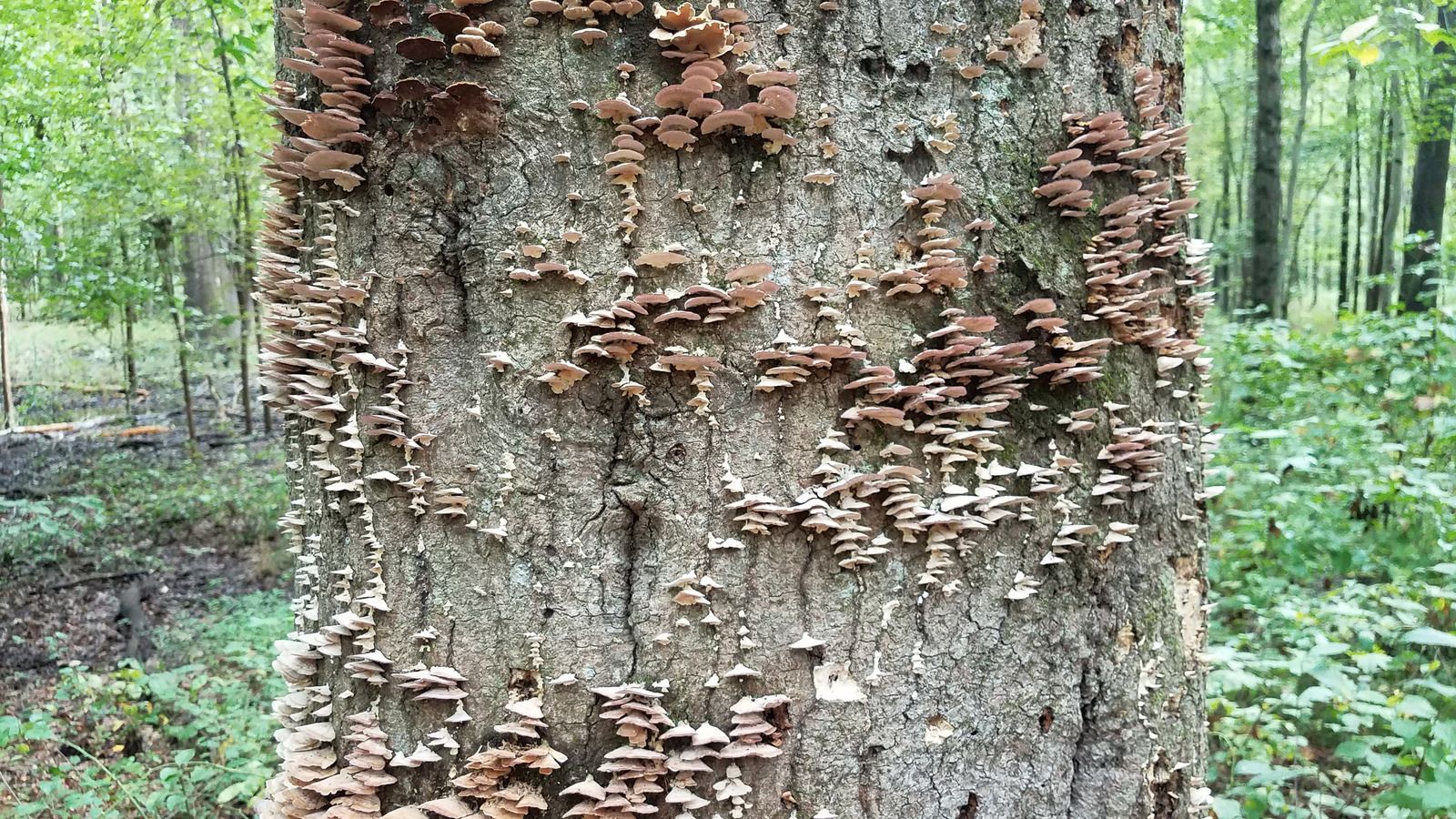
Some common indicators that your trees may benefit from aeration and fertilization include slow growth, yellowing or thinning leaves, and reduced resistance to pests or disease. Soil that is hard or waterlogged is also a sign that aeration could be beneficial. Professional assessment and treatment can help prevent long-term damage, maintaining the aesthetic and structural health of your trees.

Trust Backwoods Tree Service for Thriving Trees

For residents of Stroudsburg, Pennsylvania, Backwoods Tree Service has spent the last 10 years helping trees reach their full potential. Our expert team specializes in soil aeration and fertilization techniques designed to improve tree health, promote growth, and enhance the beauty of your landscape. By combining years of experience with industry-leading practices, we ensure that every tree we care for receives the nutrients and attention it needs to thrive. Trust Backwoods Tree Service to provide comprehensive tree care solutions that keep your trees healthy, strong, and vibrant for years to come.

Fallen trees and debris in a backyard, likely from a storm. Branches lie on grass and fence, rain visible.
February 6, 2026
Severe storms can strike suddenly, leaving a trail of damage in their wake. Among the most common hazards following a storm is a fallen tree. Whether it crashes into your yard, blocks your driveway, or threatens your home’s structure, the situation demands immediate attention.
Arborist in orange helmet, trimming tree branches against a blue sky, wearing safety harness.
January 5, 2026
Trees are an essential part of our environment, providing shade, improving air quality, enhancing property value, and contributing to the aesthetic appeal of landscapes.
Person in safety vest using a chainsaw to cut down a tree.
December 17, 2025
Trees are more than just decorative elements in our landscapes—they provide shade, improve air quality, enhance property value, and contribute to the overall health of our environment.
Show More
Fallen trees and debris in a backyard, likely from a storm. Branches lie on grass and fence, rain visible.
February 6, 2026
Severe storms can strike suddenly, leaving a trail of damage in their wake. Among the most common hazards following a storm is a fallen tree. Whether it crashes into your yard, blocks your driveway, or threatens your home’s structure, the situation demands immediate attention.
Arborist in orange helmet, trimming tree branches against a blue sky, wearing safety harness.
January 5, 2026
Trees are an essential part of our environment, providing shade, improving air quality, enhancing property value, and contributing to the aesthetic appeal of landscapes.
Person in safety vest using a chainsaw to cut down a tree.
December 17, 2025
Trees are more than just decorative elements in our landscapes—they provide shade, improve air quality, enhance property value, and contribute to the overall health of our environment.
Show More