
What To Do First When a Tree Falls After a Storm
February 6, 2026
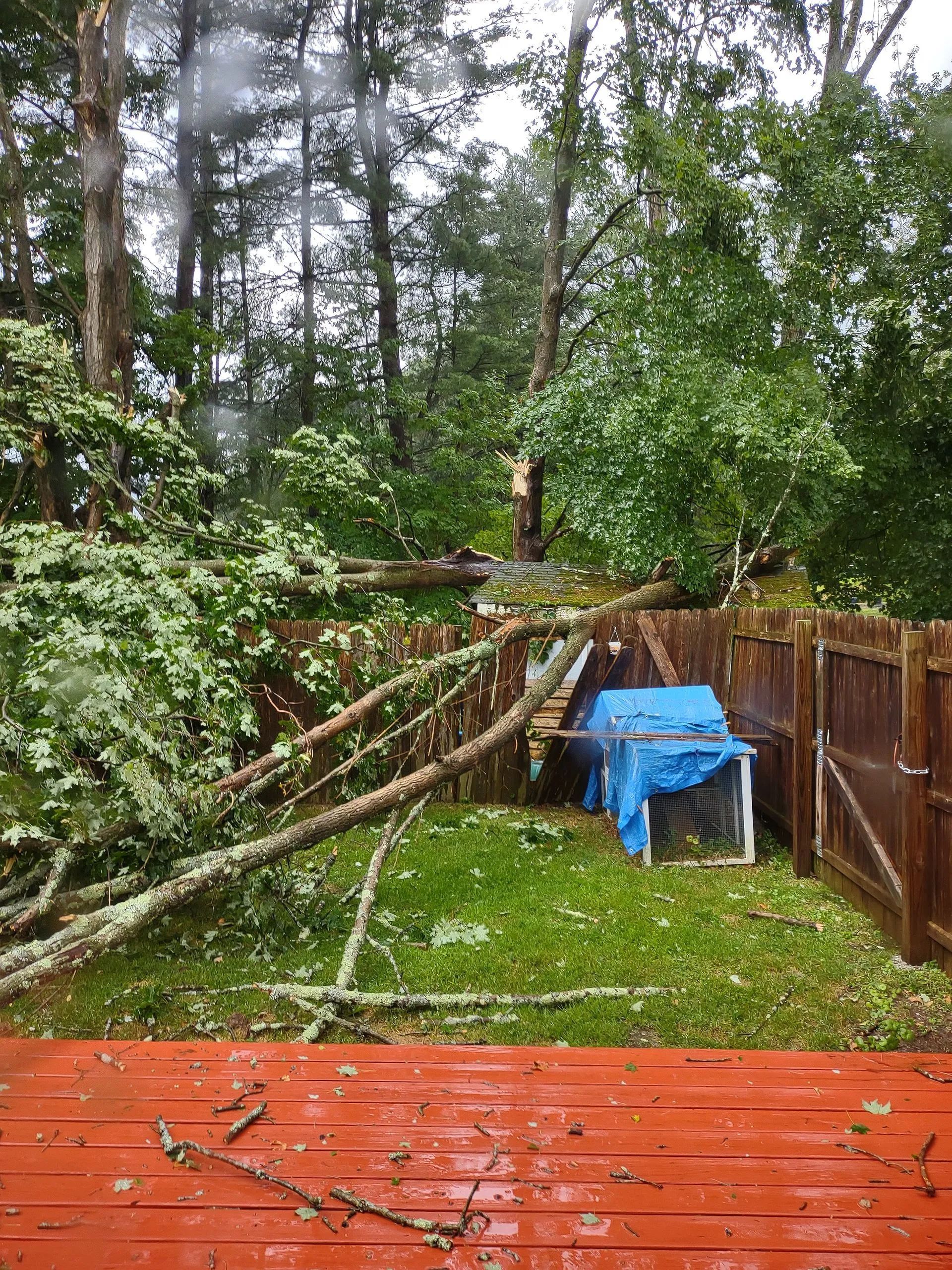
Severe storms can strike suddenly, leaving a trail of damage in their wake. Among the most common hazards following a storm is a fallen tree. Whether it crashes into your yard, blocks your driveway, or threatens your home’s structure, the situation demands immediate attention. Knowing the correct first steps after a tree falls is crucial not only for safety but also for minimizing property damage. Homeowners often feel overwhelmed and uncertain when faced with such scenarios, which can lead to risky decisions or delayed action. Ignoring early warning signs or attempting removal without proper knowledge can result in serious injuries, legal complications, or costly property damage. Understanding proper safety measures and response procedures can save both lives and significant repair costs, while also helping maintain the overall health of your landscape.
This guide provides a clear roadmap for what to do when a tree falls after a storm. From assessing safety risks to coordinating with professionals, every step will be explored in detail to equip you with actionable knowledge. While fallen trees can be daunting, timely and informed action can prevent injuries, limit property damage, and restore normalcy faster. Following these practices also ensures compliance with local safety regulations and reduces potential insurance disputes. The advice provided here aligns with best practices in arboriculture, ensuring homeowners make informed decisions without exposing themselves to unnecessary risks. By following these guidelines, you can handle post-storm tree hazards efficiently and safely, while protecting your property, family, and the environment.
1. Assess Safety Before Taking Any Action
Prioritize Personal Safety
When a tree has fallen, your first concern should always be your personal safety and that of others around you. Avoid approaching the tree immediately if there are potential hazards. Fallen trees can bring hidden dangers such as broken power lines, unstable branches, or sharp debris. Electrical hazards are particularly deadly; a tree in contact with live wires can electrify the surrounding area. Always assume wires are live until confirmed otherwise by authorities.
Before moving closer, survey the scene from a safe distance. Look for dangling limbs, leaning trees, or areas where the ground may be unstable due to storm damage. Ensure children, pets, and neighbors are kept away from the area until it is safe. If the fallen tree has landed on a structure, be alert for compromised roofs or walls that could collapse without warning.
Identify Immediate Hazards
Identifying potential hazards early helps prioritize actions. Check for:
- Electrical lines or utility poles affected by the fall.
- Gas lines, which may be punctured or leaking.
- Flooding or water accumulation around the fallen tree.
- Structural damage to homes, sheds, fences, or vehicles.
This initial assessment informs whether you can proceed with minor clearing yourself or need professional assistance immediately. Safety assessment is not just precautionary—it ensures that subsequent actions do not escalate the danger.
2. Secure the Area and Prevent Further Damage
Restrict Access
Once safety hazards are identified, the next step is to secure the area. Preventing access ensures no one is injured by shifting branches or unstable surfaces. Barricade the perimeter with caution tape, cones, or temporary fencing if available. If children or pets live in the area, keep them indoors until professional crews arrive.
Protect Property
If the tree has fallen near structures, take measures to protect property from additional damage. For example, if rain is expected, cover exposed areas of a roof or broken windows with tarps to prevent water infiltration. Moving vehicles away from the area is essential if the fallen tree obstructs driveways or parking spaces.
Document the Damage
Before any cleanup begins, document the damage thoroughly. Take photos and videos from multiple angles, highlighting impacted structures, vehicles, and surrounding areas. This documentation will be invaluable for insurance claims and assessing repair costs later. Note the time and date of the storm, as well as any other relevant details about the incident.
3. Determine the Type of Response Needed
Minor vs. Major Tree Falls
Not all fallen trees require the same level of intervention. Small trees that have fallen in open spaces, away from buildings or power lines, may be manageable with basic tools like handsaws or chainsaws. However, larger trees, trees on structures, or trees in contact with utilities require professional services.
When to Call Professionals
Situations that require arborists or emergency tree removal teams include:
- Trees blocking roads or driveways.
- Trees leaning on houses, fences, or vehicles.
- Trees near or in contact with power lines.
- Multiple trees downed in a cluster.
- Trees whose roots are uprooted, causing potential ground instability.
Professional tree care services have the equipment, expertise, and safety training to remove hazardous trees efficiently and safely. Attempting large-scale removal without proper experience can lead to serious injuries or further property damage.
Insurance Considerations
Engaging a professional early can also help with insurance claims. Many insurance providers require assessment by certified arborists or documented proof of hazards before approving coverage for removal or repair costs. Understanding your insurance policy’s guidelines will save time and prevent disputes during the claims process.
4. Proper Cleanup and Tree Removal
Safe Handling Techniques
If the tree is small and you have experience using tools safely, begin removal with caution. Wear protective gear, including gloves, helmets, eye protection, and steel-toed boots. Ensure cutting tools like chainsaws are well-maintained and that you understand their operation. Always cut from the opposite side of your body and be mindful of tension in branches or limbs that could snap unpredictably.
For large or unstable trees, professional removal is crucial. Arborists use rigging techniques to lower heavy limbs gradually, preventing sudden drops that could cause injury or damage. They can also assess whether a tree can be partially salvaged for firewood or must be removed entirely.
Stump Grinding and Debris Management
After the main tree is removed, attention must turn to the stump and surrounding debris. Stump grinding prevents tripping hazards, makes landscaping easier, and reduces the risk of pest infestations. Wood chips and branches can be repurposed for mulch or safely disposed of according to local regulations. Proper debris management ensures the area is restored efficiently, reducing long-term hazards and improving aesthetics.
5. Evaluate Tree and Property Health
Assess Damage to Surrounding Trees
A storm can weaken nearby trees even if they remain standing. Inspect other trees for signs of damage such as cracked bark, split limbs, leaning trunks, or exposed roots. Damaged trees may pose delayed risks and should be addressed promptly to prevent future falls.
Structural Inspections
Buildings, fences, and other structures impacted by a fallen tree should be inspected thoroughly. Look for:
- Roof punctures or sagging areas.
- Cracks in walls or foundation.
- Damaged gutters, chimneys, or siding.
Professional contractors may be necessary to assess structural integrity and recommend repairs. Early intervention prevents minor issues from escalating into costly repairs.
Preventive Measures
Once cleanup is complete, consider preventive measures for future storms. Pruning weakened branches, removing dead trees, and planting wind-resistant species can minimize the risk of future storm-related tree falls. Consulting with an arborist ensures long-term property safety and maintains the health of your landscape.
6. Safety and Preparedness for Future Storms
Develop an Emergency Plan
Having a storm response plan can save time and reduce panic during emergencies. Include contacts for certified arborists, local utilities, and emergency services. Keep a supply of protective gear, chainsaws, and first aid kits accessible in storm-prone areas.
Tree Health Maintenance
Regular tree inspections, especially before storm seasons, can identify risks early. Professional tree care services can evaluate root stability, branch strength, and overall tree health. Healthy, well-maintained trees are less likely to fall, reducing hazards and potential damage to property.
Community Awareness
If you live in a neighborhood with dense tree coverage, encourage community awareness and cooperation. Sharing resources like emergency contacts or local arborists helps everyone respond more effectively after storms. Collaboration ensures that fallen trees do not obstruct access for emergency vehicles and reduces overall risk.
Reliable Storm Response From Certified Tree Professionals
Storms and their aftermath can leave a significant impact on homes and properties, especially when trees fall. The first steps you take after a tree falls—prioritizing safety, assessing hazards, securing the area, and determining the level of professional intervention—can prevent injuries, limit damage, and streamline the recovery process. Understanding proper cleanup, evaluating the health of remaining trees, and preparing for future storms ensures a safer, more resilient property. Following structured and informed steps empowers homeowners to act confidently in challenging situations. Being proactive and aware of potential risks can make all the difference in mitigating damage and protecting your investment.
At Backwoods Tree Service, we bring over 10
years of experience in tree care and arborist services to homeowners and businesses in Stroudsburg, Pennsylvania. Our certified team
specializes in storm response, safe tree removal, pruning, and preventative care to protect your property and enhance landscape health. Trusted for our professionalism, prompt service, and expert knowledge, we are committed to delivering safe, reliable solutions when every moment counts. With Backwoods Tree Service, you can navigate post-storm challenges confidently, knowing your trees and property are in expert hands. We pride ourselves on combining industry expertise with personalized service, ensuring each client receives tailored solutions that meet their unique needs.